Grief, Time, and the Pressure to Move On
2026-04-21 · 4 min read
My dearest incurable humanist, “It’s hard to be at a party when I feel like an open wound,” Taylor Swift once wrote in her song this is me trying from Folklore (2020). And what does Taylor Swift have to do with what I’m writing about today? Not much—except such poignant lyrics have accompanied me…
My dearest incurable humanist,
“It’s hard to be at a party when I feel like an open wound,” Taylor Swift once wrote in her song this is me trying from Folklore (2020). And what does Taylor Swift have to do with what I’m writing about today? Not much—except such poignant lyrics have accompanied me and taken on new meaning over time.
Lately, I’ve been thinking about how we grieve. We are expected to return to life as if nothing has happened. For a few days, people ask how we’re holding up. They forgive us for skipping a dinner party or canceling plans. But soon enough, we go back to work, sit through small talk, and pretend to care about things that have lost their meaning. We find ourselves at parties, surrounded by laughter, wondering: how are they living as if the world hasn’t ended? And there we are—feeling exactly like an open wound, even as we insist we are “fine.”
While procrastinating on writing this, I serendipitously came across an Instagram post (an intellectual source, I know; don’t judge me, you’re there too). Actress Aubrey Plaza is receiving backlash for having a new partner and being pregnant after her ex-husband died last year. Never mind that they had been separated for months before his passing.
It made me wonder how society dictates how we mourn? If we grieve “too long,” something is wrong with us. If we don’t grieve “enough,” something is also wrong. But what is too long? What is not enough?
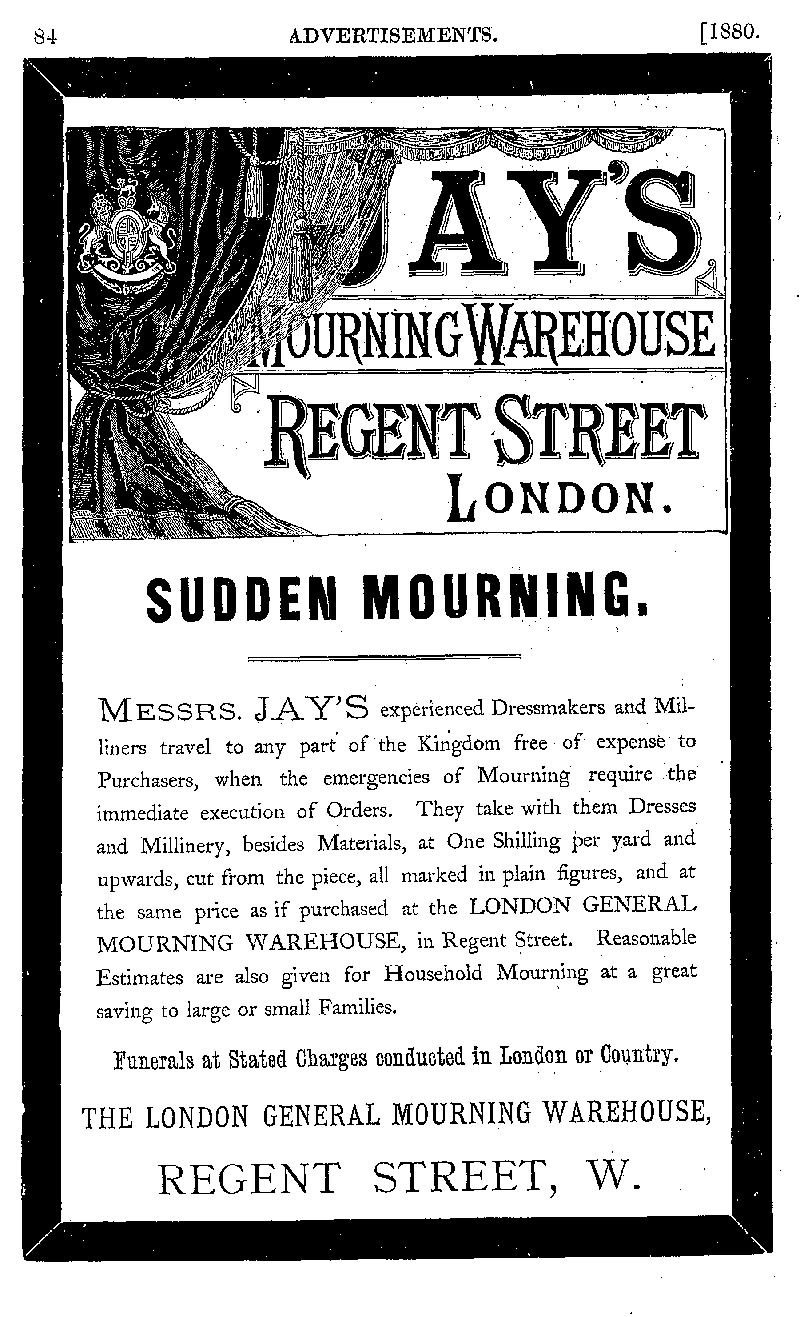
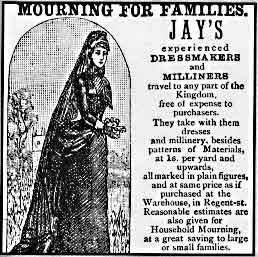
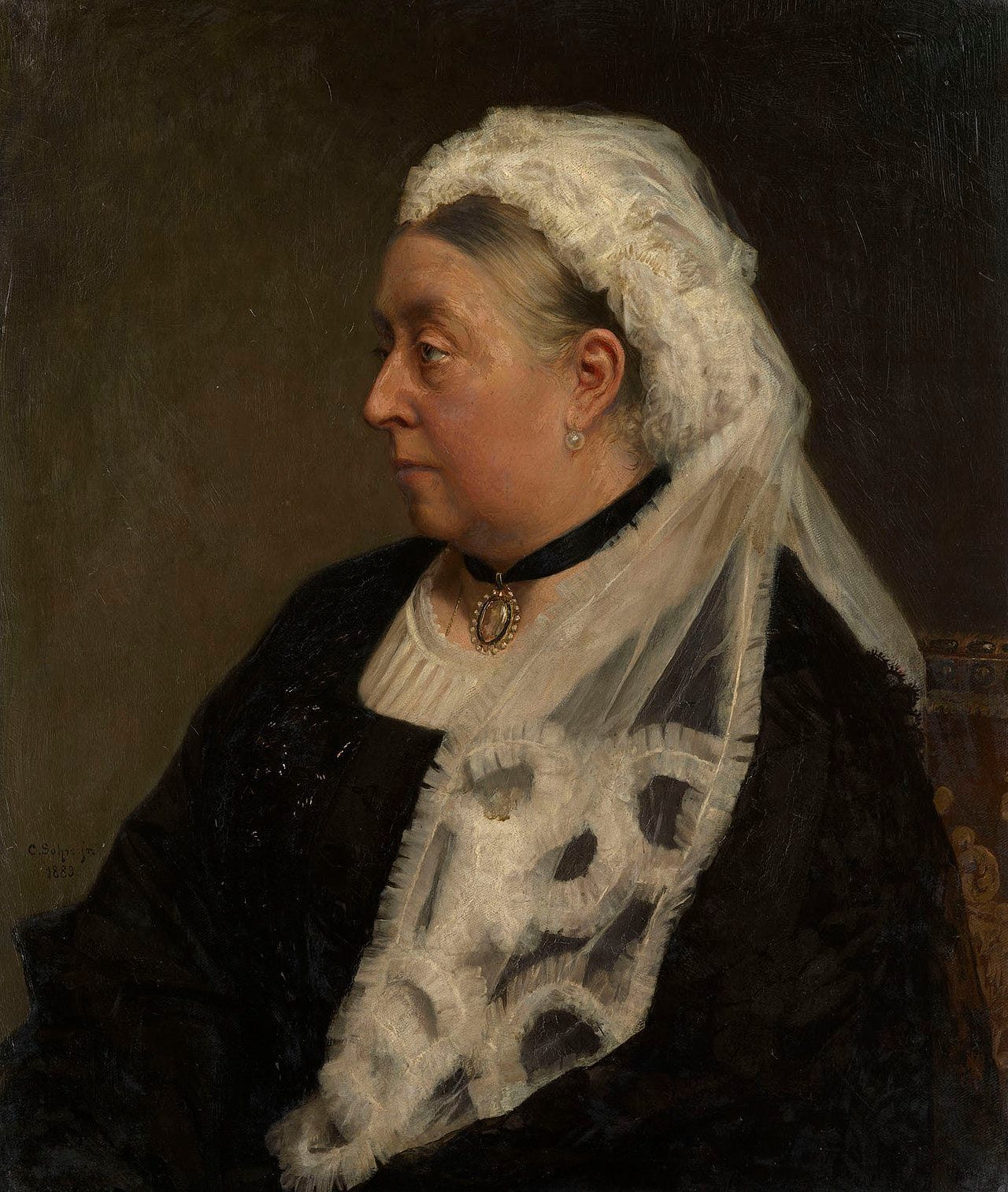
In 19th-century Europe and America, mourning was governed by a strict visual language. Black was a moral statement. Widows wore dull crape and heavy veils that blurred the face, only gradually transitioning into softer shades like gray or lavender. France had royal ordinances prescribing grief at court. England had Queen Victoria, who turned mourning into something close to a national institution. Etiquette manuals dictated timelines: a year of black for a parent, six months for a sibling. Widows mourned for up to four years; while widowers, only a few months.
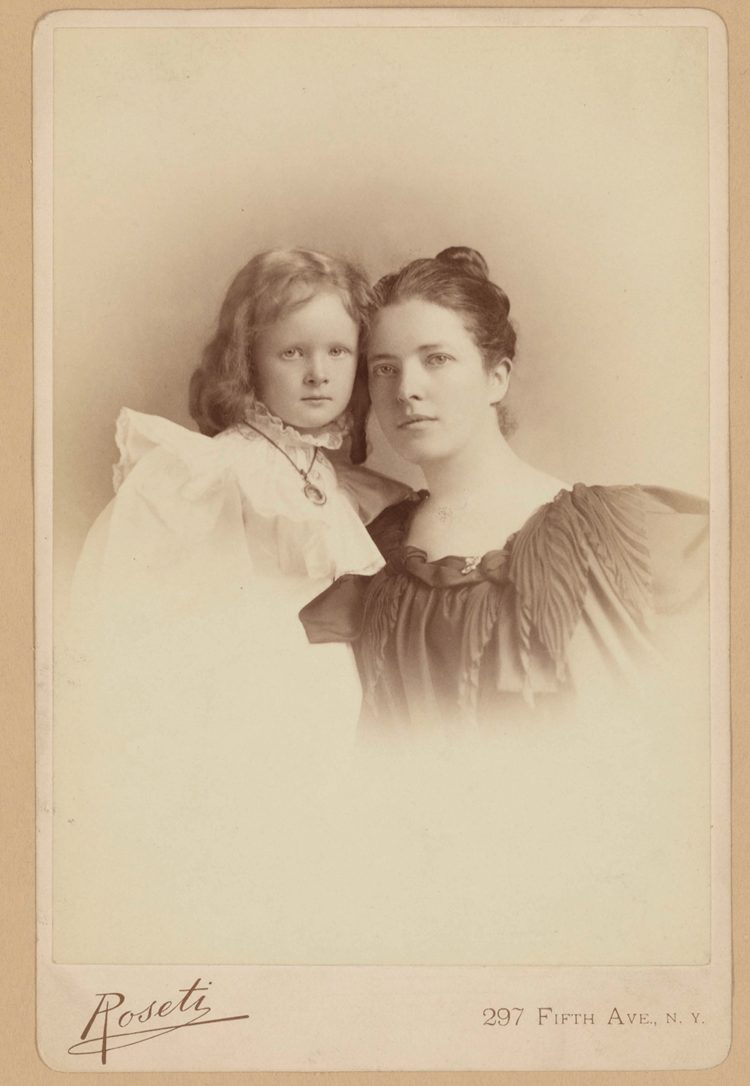
In Gilded Age America, the upper class followed suit. At the Frick mansion in Pittsburgh, even children’s clothing reflected family loss. In one photograph, Adelaide Frick stands in mourning black beside her daughter Helen, who wears white, an image taken during a period of family loss.
But by the early 1900s, the entire system began to fray. It was excessive, impractical, and accessible only to a few. Then came World War I, when death became ordinary in its scale. The rules dissolved. There were simply too many losses, too little time, and no fabric heavy enough to hold that kind of grief.
Today, we still wear black to funerals. Some religious traditions remain, if we practice them. But something essential has been lost. I’m not suggesting we return to veils and years of prescribed mourning. But perhaps there was something comforting in being encouraged to grieve for as long as one needed.
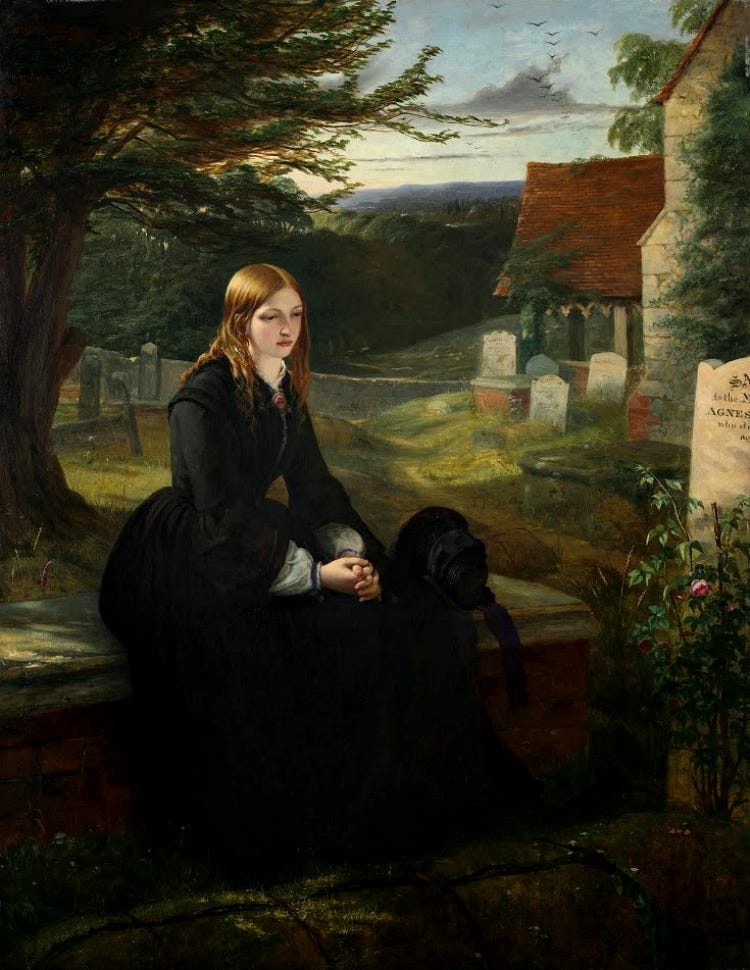
I’ve also come to understand that grief does not always begin at the moment of loss. Sometimes, we grieve in advance. We grieve a relationship while still inside it, sensing its inevitable end. We grieve leaving our country before we migrate. We grieve a loved one while they are still alive, already preparing for their absence. This doesn’t mean we won’t grieve again when the loss fully arrives. But it may change how that grief appears to others. From the outside, it might seem as though we have moved on too quickly, when in reality, we have been mourning for months, even years. And sometimes, of course, we never fully recover. As they say, grief comes in waves, often returning when we think we have learned how to stand again. So when I feel like an open wound, I stay home and give myself time, leaning toward a more Victorian understanding of grief than the Instagram-perfect façade of the twenty-first century.
Until next week…