Venezuela Is Still Falling: What It Means to Grieve From Afar
2026-07-07 · 7 min read
My dearest incurable humanist, Last Wednesday, a week after the double earthquake, I was sitting in my office in Midtown. I opened Instagram and saw a video of Elena, a woman from La Guaira, pleading for help to recover the bodies of her husband and sons. She knew where they were yet help never…
My dearest incurable humanist,
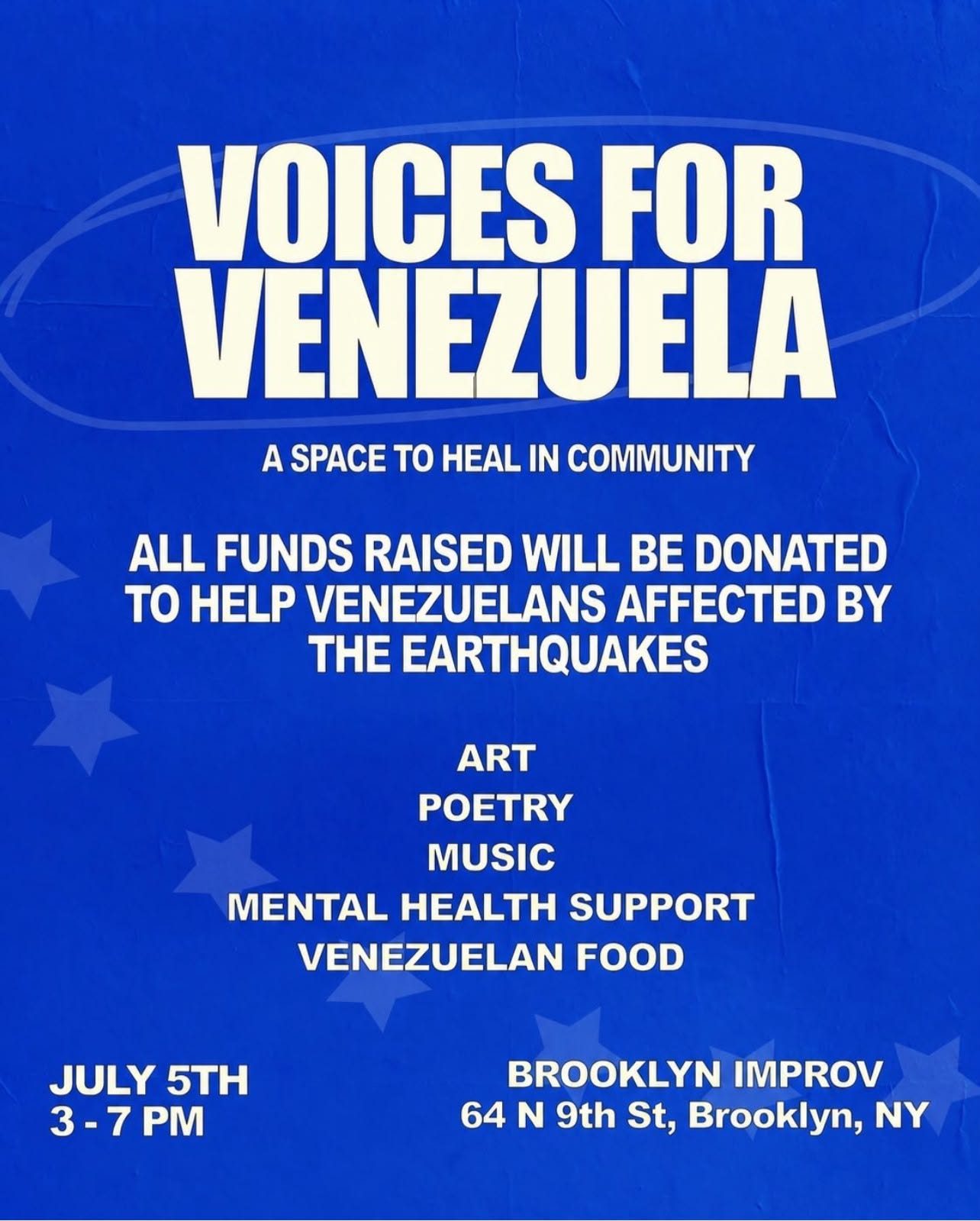
Last Wednesday, a week after the double earthquake, I was sitting in my office in Midtown. I opened Instagram and saw a video of Elena, a woman from La Guaira, pleading for help to recover the bodies of her husband and sons. She knew where they were yet help never came. She looked exhausted, shattered, completely alone; grieving in front of a camera because there was no one else left to listen. And like Elena, there are thousands of others. I sat there, heartbroken, watching her. And then, I had to close my phone and return to do business as usual. If you’ve ever experienced an ambiguous loss, you know the pain of having no body to bury, no goodbye said. You don’t mourn what’s gone; you keep searching for it, replaying it. That is Elena’s grief. It’s the grief Venezuela has lived through for years, without the dignity of an ending.
Being Venezuelan feels like standing at the edge of a cliff and falling. You think you’ve reached the bottom, until something else happens, and you fall again and again. Until eventually you understand that there is no rock bottom.
It began on December 6, 1998, when Chávez won the presidential election. I was only three years old. Yet how does one forget the thing that shaped your life forever? Today, on July 5th, Venezuela’s Independence Day, I think about how for my generation, freedom has never been a lived reality. We inherited the idea of it, but have spent our entire lives searching for a way to reclaim it.
Since Chávez came to power, Venezuelans have endured tragedy after tragedy, becoming experts in the impossible art of rebuilding. No single paragraph can contain what the last twenty-seven years have been. Any summary is an oversimplification, but I will try nonetheless. In 1999, as Chávez pursued the convening of a Constituent Assembly to draft a new Constitution, Venezuela was devastated by the Tragedy of Vargas. Then came April 11. The oil strike. The recall referendum. Other elections that promised change. The closure of RCTV. Chávez’s death. Maduro’s rise. Years of protests met with repression, imprisonment, torture, and death. Scarcity. Blackouts. A humanitarian crisis compounded by a global pandemic. Another disputed presidential election. A brief flicker of hope when Maduro was arrested. Another disappointment. And now… the earthquakes. Between and around all of this came countless private griefs that never made the headlines.
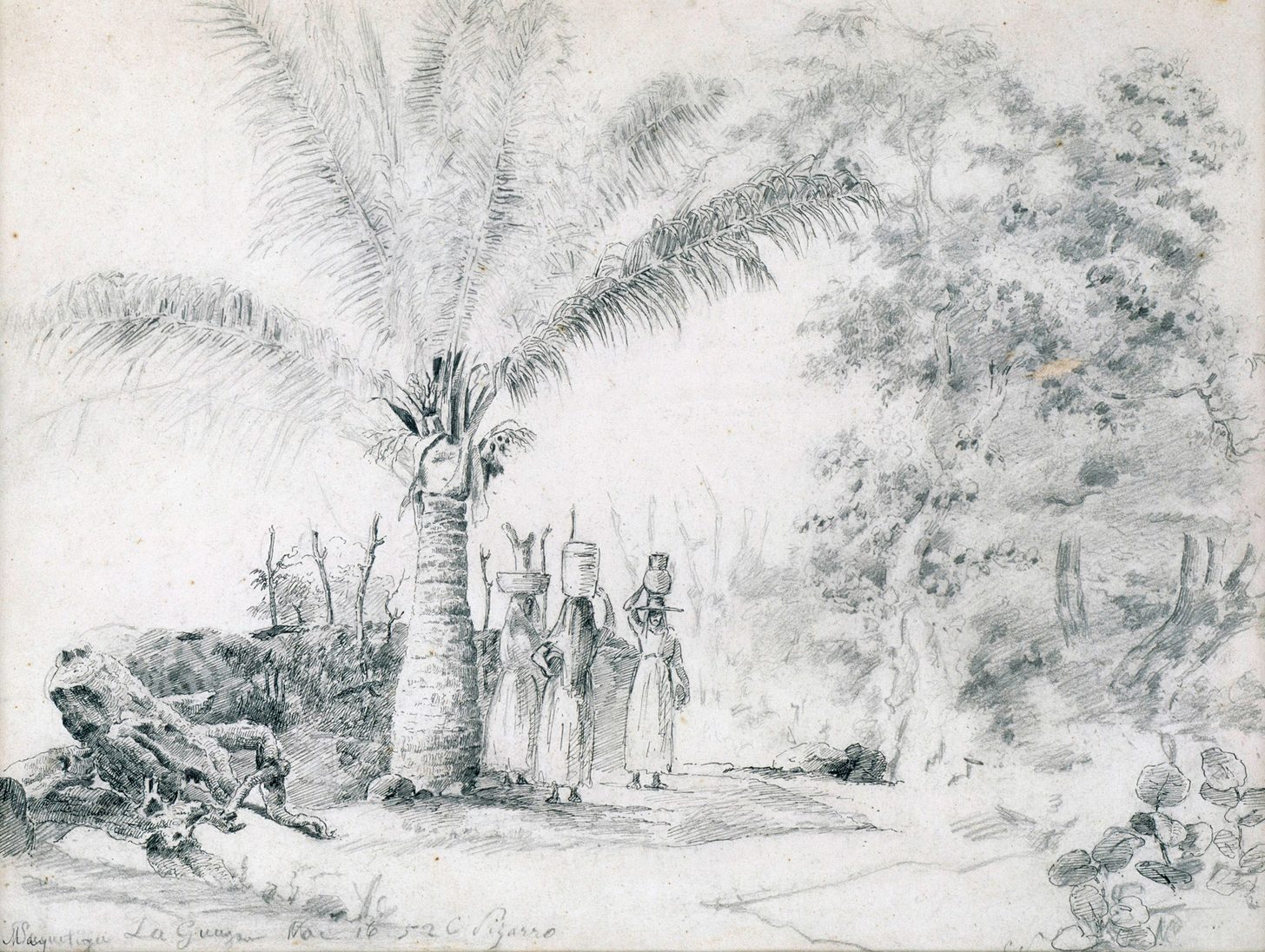
Every Venezuelan remembers election nights vividly. Families up long past midnight, glued to the television, watching the same shot for hours: the stairs at the National Electoral Council, empty, waiting. The cameras held there, as if watching hard enough could change what was coming. We always hoped anyway. Then Tibisay Lucena would walk in. She would sit, adjust her papers, pour a glass of water and drink from it slowly, before she began to read. One sentence:
“Muy buenas noches, luego de una intensa jornada electoral debemos felicitar al pueblo de Venezuela”
Then a pause. Another sip of water.
“Estos son los resultados irreversibles.”
She read the results like a woman with nowhere else to be. We sat there waiting for her to finish telling us what we already knew. The next morning the country would wake up somewhere in between the worst emotional hangover and the silence of a house after someone has died.
And then, 8 million of us had to leave. We built lives somewhere else. We found a version of stability, opportunity, safety, things that became impossible back home. And from the outside, it can look like a resolution, like an escape, like the story has found its ending. And in a way it has but it has also become more complicated. Now grief is layered. It is no longer just about what is happening in our country. It is about our distance from it.
We live in another country, trying to focus on school, work, trying to answer emails, trying to move forward, to fit into this new culture, while our phones fill with images, messages, headlines. And there is a moment when we feel the split. The life you are building, and the life you left, existing at the same time. We are thankful for safety, for opportunity, for the ability to build something stable. But alongside that gratitude, there is guilt. A persistent question: What does it mean to be okay when so many are not? What does it mean to build a future on the other side of your country’s ongoing collapse? What does it mean to feel that the happy places of your childhood are now gone?
There are tragedies that become global causes overnight, that dominate headlines, that mobilize institutions, celebrities, and collective empathy at scale. Yet there are others that remain inconvenient, politically uncomfortable, difficult to fit into a narrative people are willing to defend. And so they are minimized, simplified, or ignored altogether. Sadly, this is the case with Venezuela.
For almost three decades, the country has been dismantled by a regime that hollowed out its institutions, eroded its infrastructure, and normalized crisis as a lifestyle. Today, as communities search through rubble, as families wait for help that never arrives, it is not the state leading rescue efforts. It is civilians. It is humanitarian aid sent from abroad. Meanwhile, the same armed forces that have, for years, repressed peaceful protests, tortured innocent individuals, and enforced fear, are now harassing survivors and taking what little remains.
Where are the voices that spoke so loudly on January 3rd when Maduro was taken? Many were quick to respond, to critique the political implications through their own ideological lens. But now, as the reality of that long-defended system continues to unfold, there is a staggering silence that reveals how quickly empathy can become selective.
For years, international political figures, intellectuals, and influencers praised the Venezuelan “Twenty-first century socialism.” “Mission Vivienda” housing projects were showcased as symbols of progress. Now when those homes have collapsed due to negligence they are nowhere to be found. Where is that urgency, when the consequences are no longer theoretical?
The past weeks are a clear example of this. You try to have a normal workday while Venezuela is in crisis, you look around and everything is functioning as it should. People are talking about deadlines, Taylor Swift’s wedding and the plans for the 4th, things that feel unbearably trivial in comparison. There is a part of you that wants to interrupt, to say: PEOPLE ARE DYING IN VENEZUELA! But then another part of you recognizes something uncomfortable. We have all done this. We have all, at some point, failed to fully see someone else’s grief because it was not ours, because we did not understand it, because it did not fit into the narratives we were given.
Moreover, as of July 3rd, the interim government is no longer constitutional. The democratic path forward should be free and fair elections. But how can we move toward that when the leading opposition leader, María Corina Machado, is barred from returning?
This is why speaking matters. Silence is what allows this kind of grief to disappear. Silence is what turns ongoing tragedy into muted background noise. Venezuelan grief has names, dates, faces, and places. It lives in the memory of every election night spent waiting for a different outcome. In every airport goodbye that was supposed to be temporary and became permanent. In every parent, sibling, or friend who is no longer here. In every message that begins with: “are you okay?”
Nevertheless, there is something that has survived every fall - our ability to rebuild and to keep going as the ground keeps shifting beneath us. We are still falling. But we are also, somehow, still standing.
Thank you for inviting me!
Until next week.
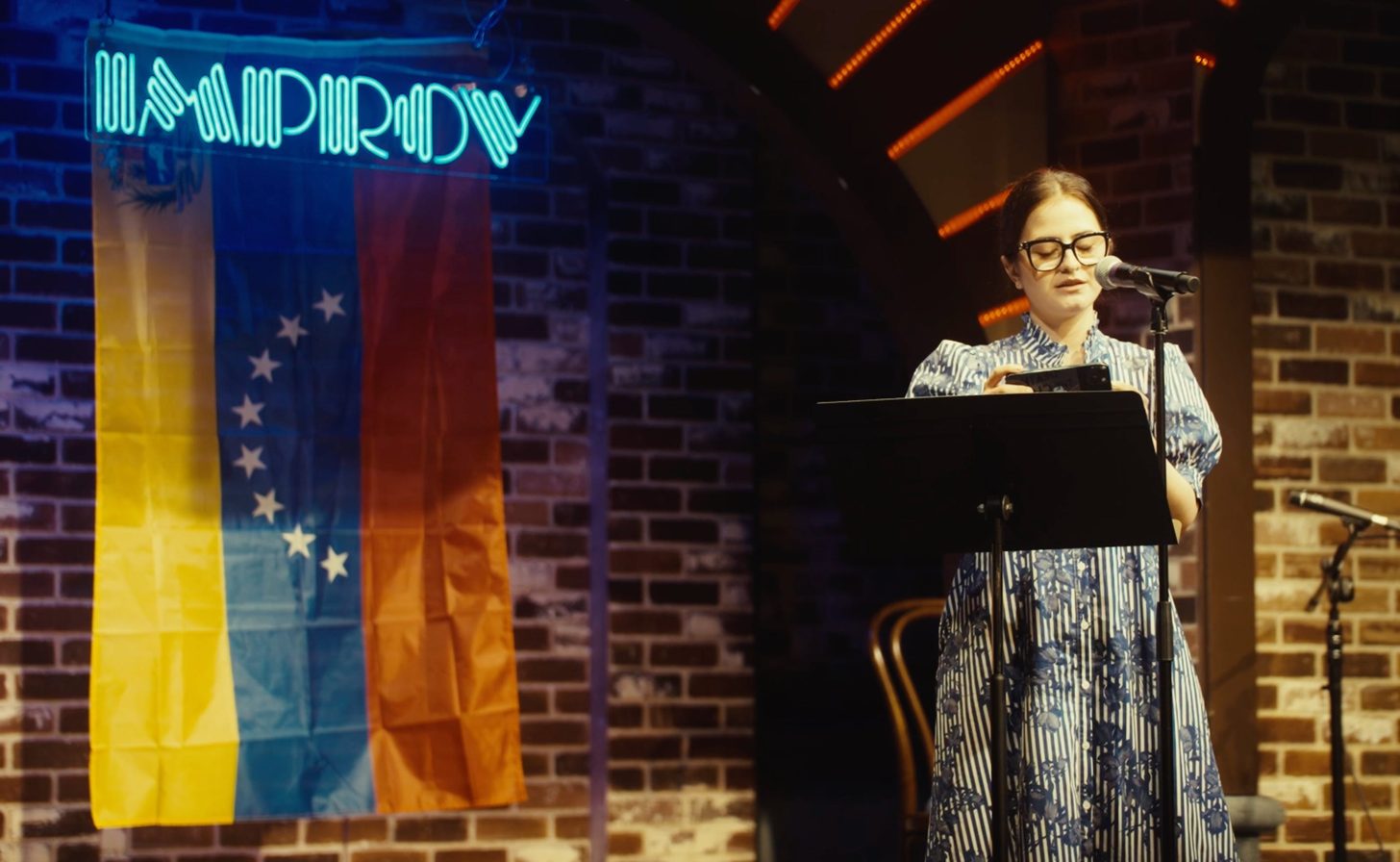
If you want to help, these are reliable ways to donate:
I Love Venezuela Foundation + We Love Foundation
ImpaKtemos (Zelle: imaktemos@impaktemos.org - IMPKTEMOS LLC)