On Saudade
2026-05-19 · 5 min read
My dearest incurable humanist, Doesn’t it happen to you that sometimes you miss a place or a stage in your life, but then when you really think about it, you realize that even if you could go back it wouldn’t be the same—because you are also someone else? This might come off a little confusing… but…
My dearest incurable humanist,
Doesn’t it happen to you that sometimes you miss a place or a stage in your life, but then when you really think about it, you realize that even if you could go back it wouldn’t be the same—because you are also someone else? This might come off a little confusing… but let me explain.
A few weeks ago I had dinner with one of my closest friends, AT. She has lived in many cities since she was young. AT first moved to the US for boarding school in New England, and later to New York for college, where she stayed for over a decade. Somewhere in between, I met her when I moved here for grad school, and we’ve remained close ever since. Two years ago she moved to Boston to do her MBA, from which she is graduating soon (so beyond proud of her!), and now, after a lot of thought, she has decided to move back to her home country on the other side of the world. We were talking about how she had felt coming back to Manhattan after a few months away, and most likely for the last time in a long while, since she’s leaving the US.
After living in a city for so long, there’s something eerie about coming back and yet having to say goodbye. You reminisce about so many versions of yourself at different stages, so many events, episodes, friendships, failed dates, relationships, the endless rollercoaster of life. And then from the window of a train you stare at the moving skyline, and flashbacks hit you, and all those things that once seemed endless are nothing but a distant memory. Nostalgia gets the best of you, you shed a tear, and you wish you could go back—for a second you seriously consider it—but then you realize that even if you did, it would never be the same, because you’re no longer the same person who left.
This got me thinking about my own experience, having lived in three countries in my twenties. I never planned to move to Mexico City, yet life rerouted me there for almost two years, and it was a bittersweet time. I wasn’t the happiest, but there were definitely moments of joy, and sometimes I listen to a song that transports me back to those days and I crave the specificity of a moment.
When I think about Venezuela it’s significantly harder, because it is my home country, my roots, my upbringing, and a huge part of who I am. Especially now, amid everything that has been happening, many people ask me whether I would go back. Life has taught me to never say never, because you can’t really tell what the future holds—but if it were up to me today, my answer is no. When I look back at everything I’ve been through migrating, the learning experiences I’ve had, how hard I’ve worked to achieve my goals, and then think of the Denise who was living in Caracas back then—I don’t think I even know that version of myself anymore. Most of the core memories I miss or long for aren’t there; a Friday night at home cooking with my dad, the friends who also migrated, or simply the fact that I’m no longer in that chapter of my life.
There is a term in Portuguese for this: saudade. A deep emotional state of nostalgic or profound longing for something or someone that is absent, often carrying a bittersweet mixture of sadness and happiness.
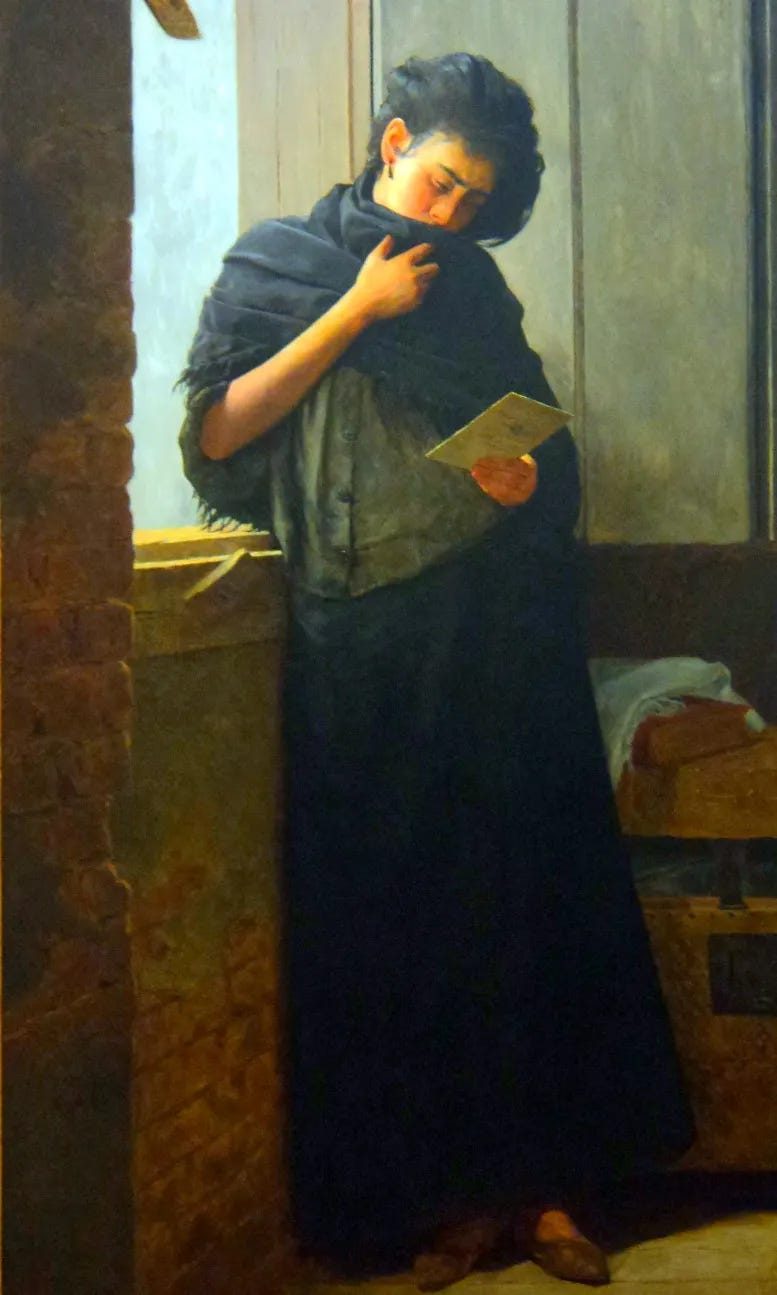
I’ve always felt this—even before migrating—in the sense of how fleeting moments are and then how completely they vanish. Sometimes, in the middle of being happy, you can’t help but feel a tinge of sadness, because you can already see yourself longing for this moment in the future. Jorge Luis Borges captured this perfectly in his poem “Nostalgia for the Present,” included in La cifra (1981):
You feel the intensity of the moment and, simultaneously, its fragility. Borges turns that instant into a meditation on time, consciousness, and anticipatory loss.
This is a tale as old as time. Heraclitus posed a similar version of it, arguing that we never step into the same river twice, because neither the river nor the person who enters it remains the same.
I think this starts happening after you’ve experienced real loss in your life. You develop a certain sensitivity—a way of witnessing your own moments with one eye already looking back.
We are constantly told to live in the moment, to not think too far ahead. And yes, being present matters, but maybe the point is not to cure ourselves of saudade, but to let it sharpen our attention—to understand that everything flows, that we are always becoming former versions of ourselves, and that this knowledge, painful as it is, might be what teaches us to look more carefully at the life ahead. Soon, AT will move, and I will miss this version of our lives too, but if I’ve learned anything from the lives I’ve already lived, it’s that endings have a way of making room for futures we could not yet imagine. Bon voyage, my dearest AT! May the next river be kind to you. You will shine wherever you go.
Until next week!