New York is Where I Will Be From
2025-07-08 · 10 min read
My dearest incurable humanist, “Why don’t we just move to New York?”. I was seven years old when I solved my problems with confidence. It was 2002, and the oil strike paralyzed Caracas. Schools closed. Offices shuttered. The city was paused while adults argued about politics I didn’t understand.…
My dearest incurable humanist,
“Why don’t we just move to New York?”. I was seven years old when I solved my problems with confidence.
It was 2002, and the oil strike paralyzed Caracas. Schools closed. Offices shuttered. The city was paused while adults argued about politics I didn’t understand. However, I understood that New York was still working, so it seemed perfectly logical. My parents exchanged a look. They didn’t know then that their seven-year-old had just articulated her life’s mission statement.
My obsession began with my grandmother’s stories. She grew up in Manhattan, and when we visited, she would point to buildings: “That’s where I went to school,” she’d say, or “That’s the building I grew up in.” For her, New York was a collection of memories, of her life before me, before my mom.
For me, growing up in Caracas, New York represented: freedom. Don’t misunderstand me, I love Caracas. It’s perfect weather, the warmth of its people, and the views of Avila Mountain. But love and freedom aren’t always the same thing. Caracas felt like a beautiful prison, its bars made of uncertainty, scarcity, and the constant question of what tomorrow might bring. New York? New York meant endless possibilities. One of my all-time favorite quotes is by Audrey Hepburn – “Nothing is impossible, the word itself says ‘I’m possible’!” – capturing what New York was and is for me.
In high school, I wanted to be a singer-songwriter, and in my teenage logic, that meant dropping out and moving to New York to get a record deal. In law school, I became the girl who brought up moving to New York on every first date. My mother used to say judgmentally, “You can’t force everyone to love New York as much as you do.” She was right, but I couldn’t help myself. I knew where I belonged.
The plan materialized in 2019. After years of manifesting and strategizing, I enrolled in Christie's Education for their Master’s in Modern and Contemporary Art and the Market. Translation: how to talk confidently about Damien Hirst while networking at gallery openings. I felt like I was starring in my movie, where I would get everything I ever wanted.
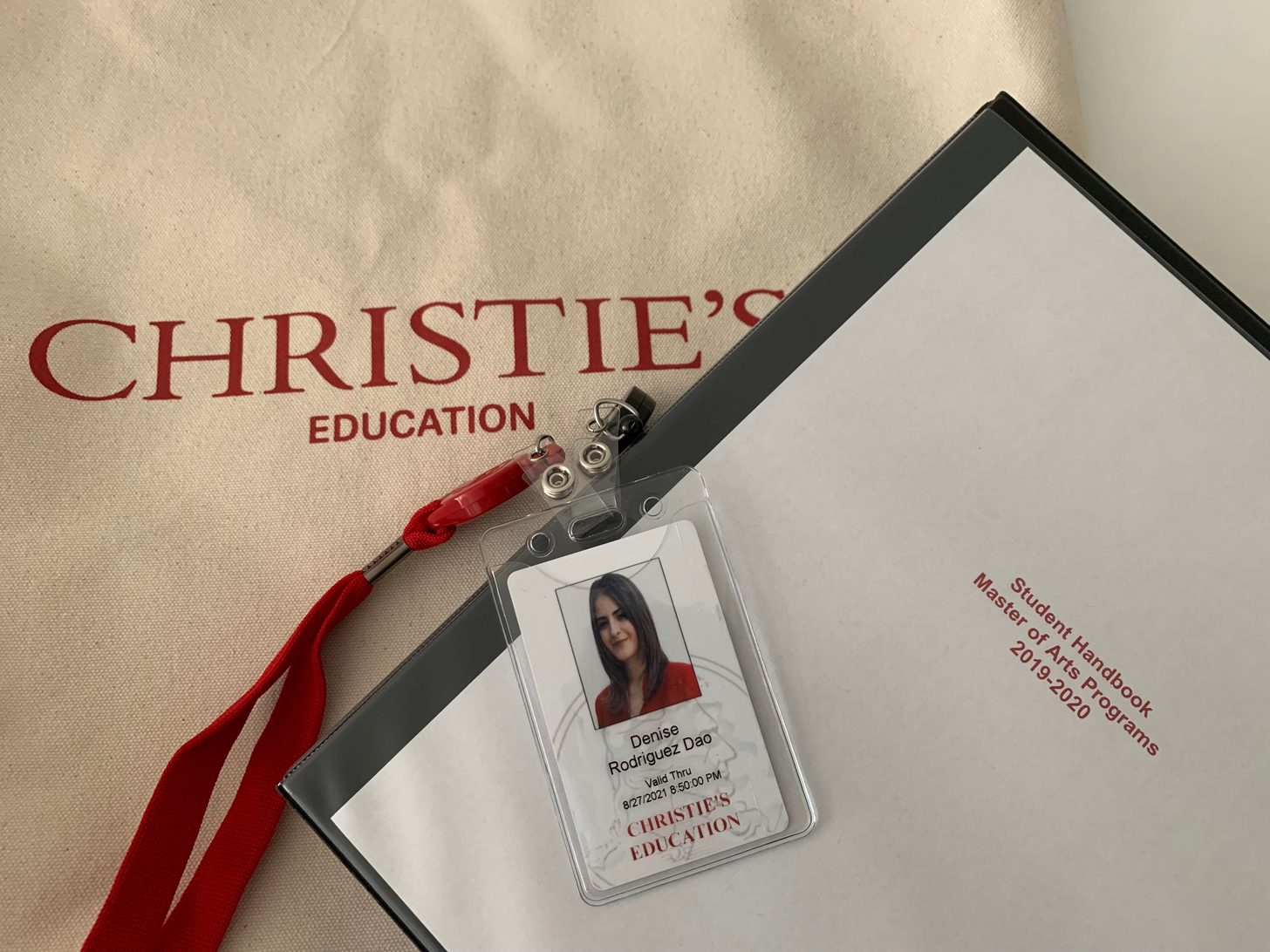
My plan was flawless: Study. Intern. Use OPT (a work permit for foreign students). Make them fall in love with me so they’d sponsor my visa. Live in New York forever. What could go wrong? Everything.
First discovery: Christie’s, the auction house, didn’t sponsor foreign workers. While my classmates elbowed each other for internships there, I had to think outside the curated, white-walled box. My law degree, which I’d been trying to escape, became my lifesaver. After countless conversations and networking events, I landed an internship at an art law firm in its immigration department for artists.
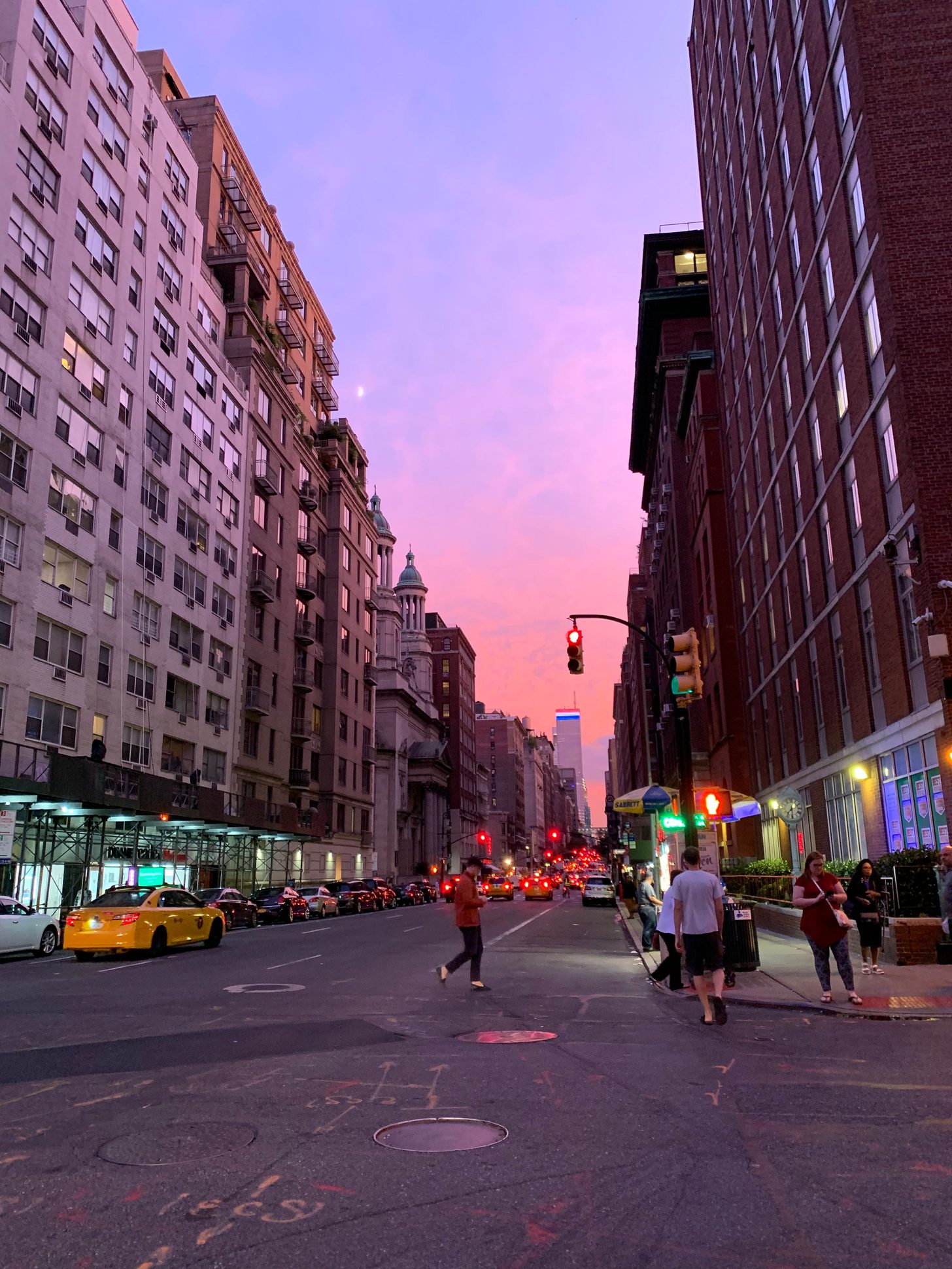
I didn’t want to practice law. But I wanted New York more than I didn’t want to be a lawyer. And, this was my foot in the door, my path to a work visa and then to a green card, my ticket to the life I'd been planning since I was seven. I worked harder than I ever had, knowing that I was exactly where I belonged. Every morning, stepping out of my apartment, I felt the city’s energy. The honking, the chaos, the sense that something extraordinary was always happening. It was everything I’d dreamed of and more.
Then came March 2020, and everything changed in the span of an email. I was walking through The Spring Break Art Show when my phone buzzed. An email from Christie’s Education. The words blurred as I read them once, twice, three times. My heart was racing. I couldn’t breathe properly. I found a chair and sat down, reading the email again as if repetition might change its meaning:
“We regret to inform you that Christie’s Education will be discontinuing all programs and ceasing operations as an accredited university...”
Translation: I had no OPT. No legal way to stay in the country after graduation. No future in New York.
The next morning, the foreign students gathered, everyone was freaking out. If we'd known OPT wasn’t possible, we would have chosen NYU, Columbia, Sotheby’s Institute of Art, anywhere but here. We demanded answers. We wrote letters. We organized meetings. The professors, some of whom had taught at Christie’s for over thirty years, were as blindsided as we were. Christie’s sent a spokesperson from London to deal with the crisis, but before she could even pretend to help, the COVID-19 news was dominating every screen, and she flew back to England. The decision was final. Christie’s Education was profitable, but the auction house deemed it a deviation from their core business. Our dreams were collateral damage.
Two days later, we were told not to go to school because of COVID, but that we would be back after Spring Break. (Spoiler: we never came back.) That afternoon, I went to see Emma at the movies with two friends, an act of naive irresponsibility, given the world’s scenario, but who knew at the time. Walking home, I stopped at the grocery store and found myself in a Marvel movie: empty aisles, no toilet paper, lines stretching forever. But for me, it was worse than dystopian; it was familiar. The empty shelves triggered something in me, Venezuela’s scarcity PTSD. I’d lived this before: during the oil strike, during Chávez’s death in 2013, during the protests in 2014, during the bachaquero crisis in 2015, during the hundred consecutive days of protests in 2017. I thought I’d left that uncertainty behind, but here it was again, following me to my dream city.
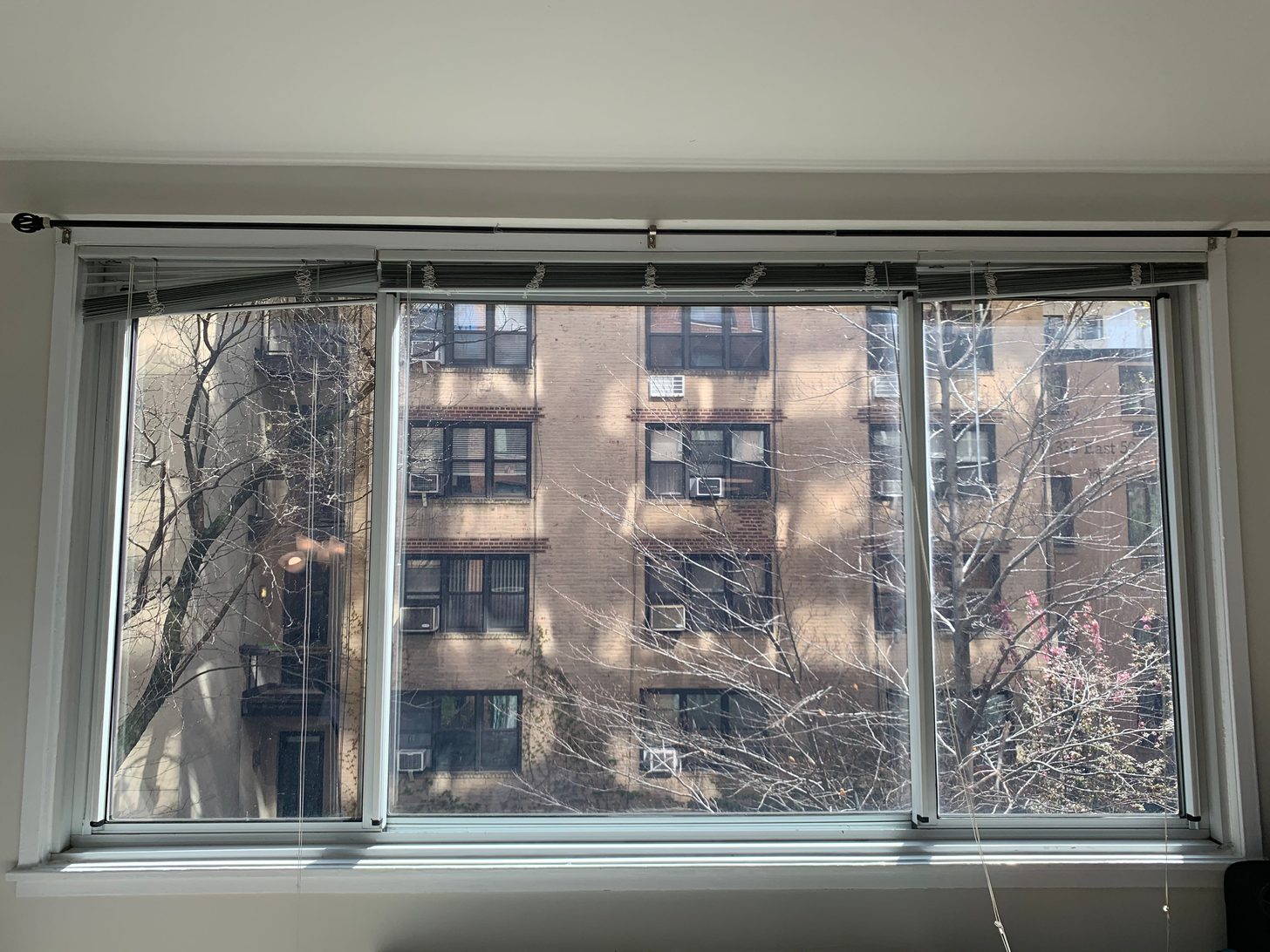
I was trapped in my tiny Manhattan studio, Apartment 3J, with nothing but online classes, internship emails, and an existential breakdown (as everyone else in March 2020). All my friends had fled the city. New York, the place that had always meant freedom, had become another prison. The nightly ritual of clapping and cheering for essential workers at 7 p.m. echoed through my windows, a hint that there were still people out there.
But I couldn’t sit still and feel sorry about myself all day, so I kept writing my blog, Denise Dao Art, and I expanded it into an IGTV series, first 5 Art Fun Facts, then 5 Art Questions with interviews. It saved me from complete loneliness, gave me purpose when everything else felt pointless.
My 25th birthday arrived, and I was completely alone, with only online classes for company. I ordered a bagel with tofu cream cheese, tomatoes, and lox for breakfast. I FaceTimed my parents. The night before, I stayed up until midnight on House Party, that trendy app everyone was using, talking with friends and drinking champagne.
I thought he would call at midnight, the guy I’d been dating long distance. He didn’t. Instead, he ghosted me completely. So, I cried, listening to Taylor Swift, not knowing she’d later release a ten-minute version of All Too Well that would perfectly soundtrack my heartbreak. My friends did their best to make it special, even creating a presentation full of good wishes and kind words about me. But the day ended the way it began, alone in Apartment 3J, wondering how my dream had become a nightmare.
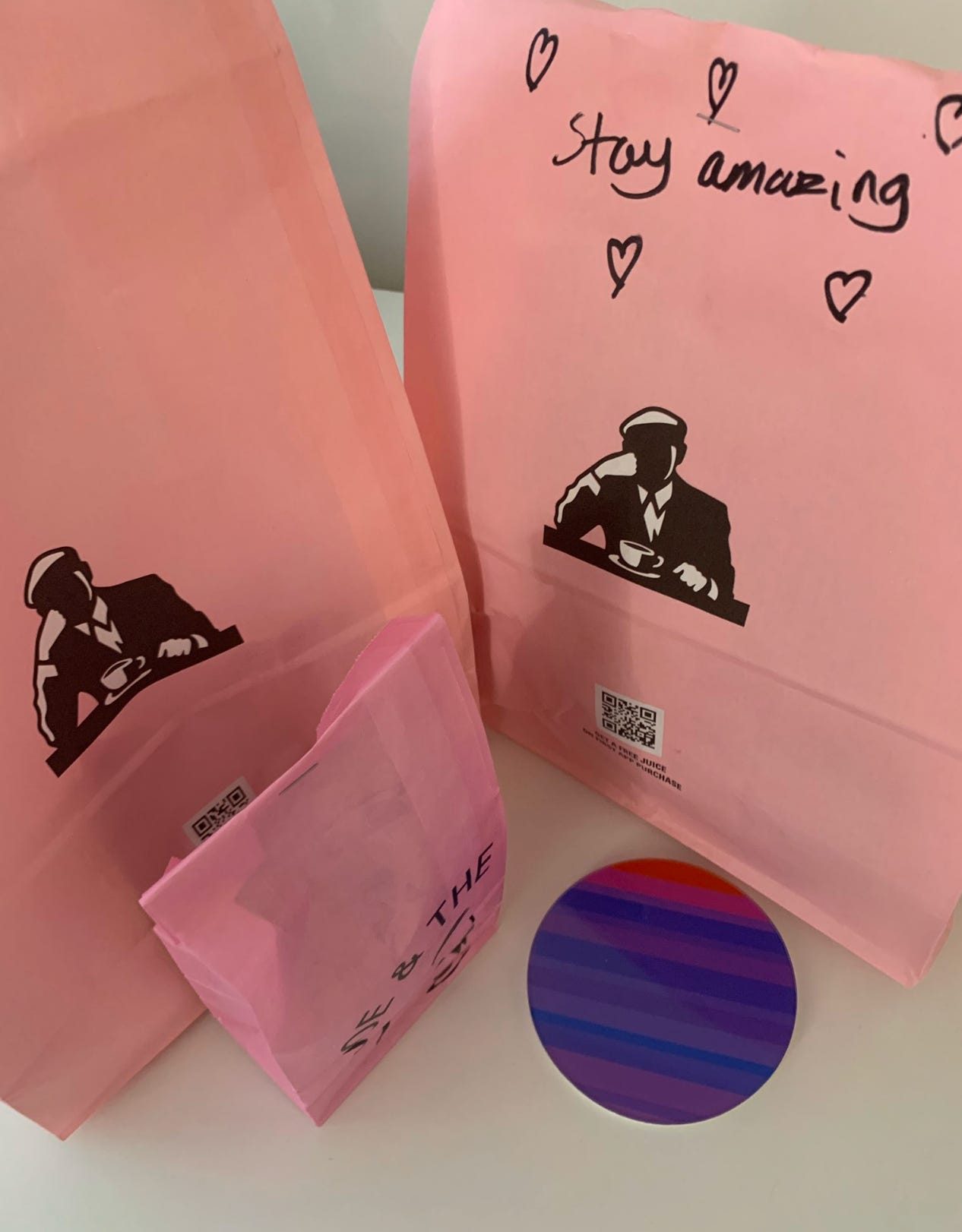
On April 28th, an angel disguised as a Joe & The Juice delivery guy. I rarely ordered delivery, but I needed something from the outside world. A spicy tuna sandwich and a juice, something to remind me that life still existed beyond my four walls. When the delivery guy arrived, he dropped the entire order in the lobby, making a mess. He stood there, petrified, waiting for me to explode.
“Don’t worry,” I told him. “It was an accident. These things happen.”
Thirty minutes later, my doorbell rang again. The doorman handed me a feast: two carrot cakes, coffee, juice, and the spicy tuna sandwich. The delivery guy had bought it all for me, leaving a note thanking me for not giving him a bad review. In a time when kindness felt extinct, this stranger restored my faith in humanity. Wherever you are, thank you.
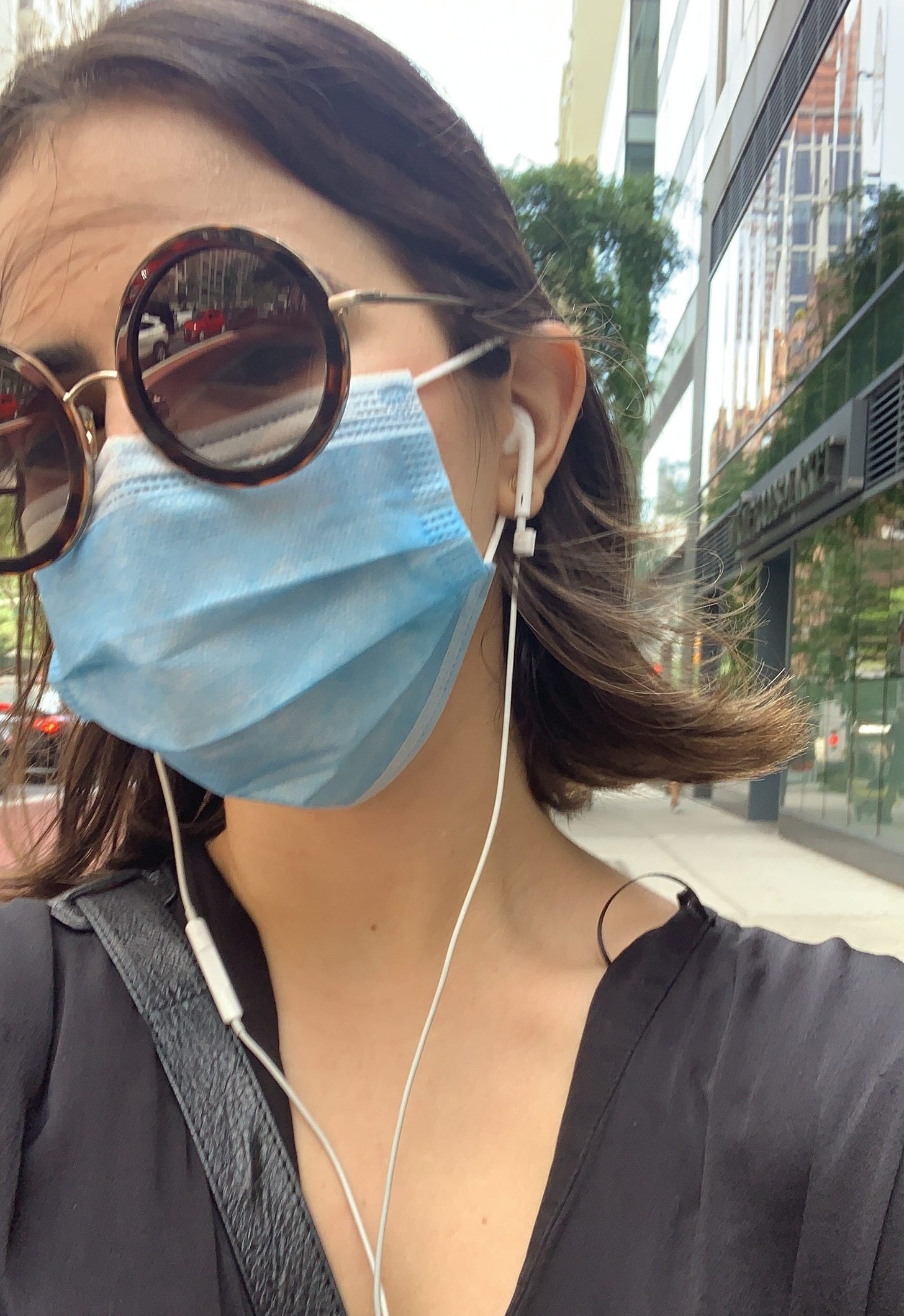
Spring melted into summer, and slowly, New York began to open again. Friends returned. I made plans. But it was bittersweet, I already knew I was living on borrowed time. The city that had once felt like the Garden of Eden now felt like a cruel tease, showing me all I could have but couldn’t keep. Or maybe this was the Garden of Eden? I walked and walked for hours listening to Suzanne Vega’s New York is My Destination, singing:
“New York is my destination
New York is where I will be from
New York is made for grander things
Just like me”
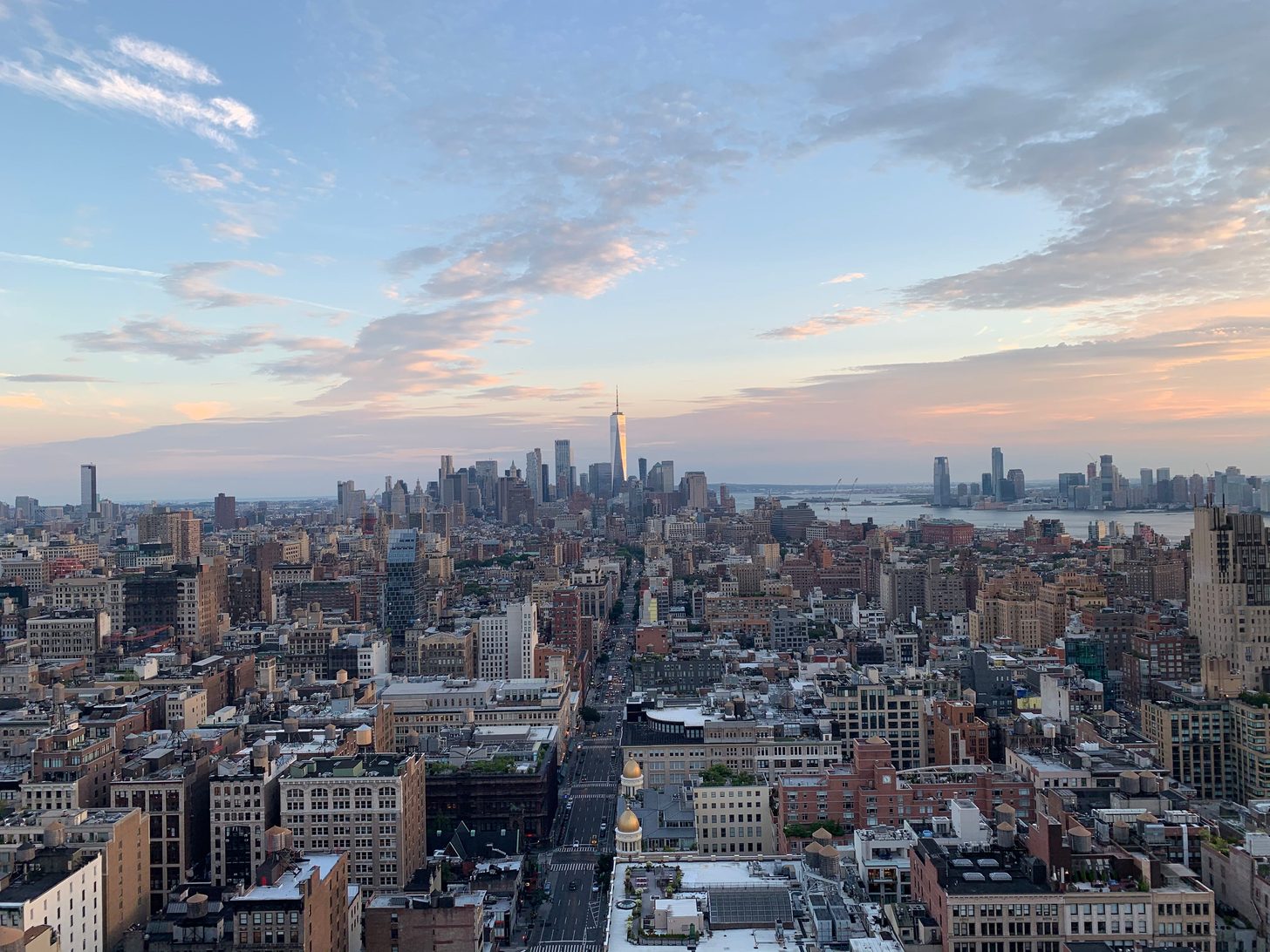
There were long, golden sunsets on AT’s rooftop, sipping white wine and pretending not to notice how sweaty and sad I was on my way home. I was heartbroken about everything, about love, about what could’ve been. I sort of dated someone, sort of not. And there he was, my now-husband, texting me, showing up in just enough moments to complicate the pain. We drifted in and out of each other’s lives, not quite something, not quite nothing. But if I’m honest, none of those almost-loves hurt the most. The real heartbreak was New York itself.
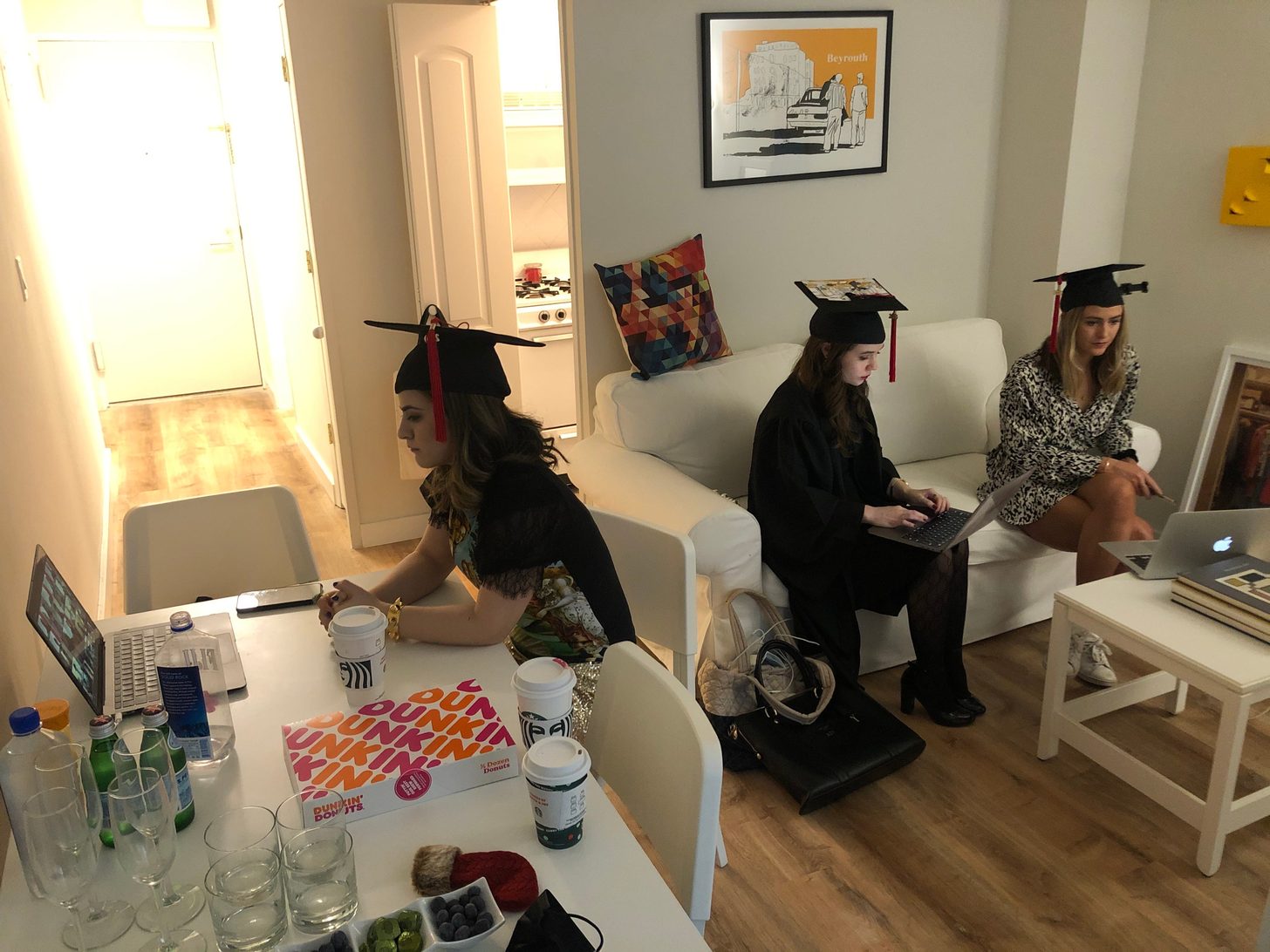
Summer faded to fall, and suddenly it was December. My Zoom graduation came and went, two of my closest friends beside me in my tiny apartment.
Then came the day I’d been dreading, December 23rd. I had to leave. Not because I’d failed. I’d done everything right, worked harder than ever, adapted, and survived a pandemic in isolation. But none of it mattered. I packed up my whole life in three suitcases, a carry-on bag, and seven boxes that I shipped. (Unfortunately, I am not that low maintenance). I said goodbye to Apt. 3J.
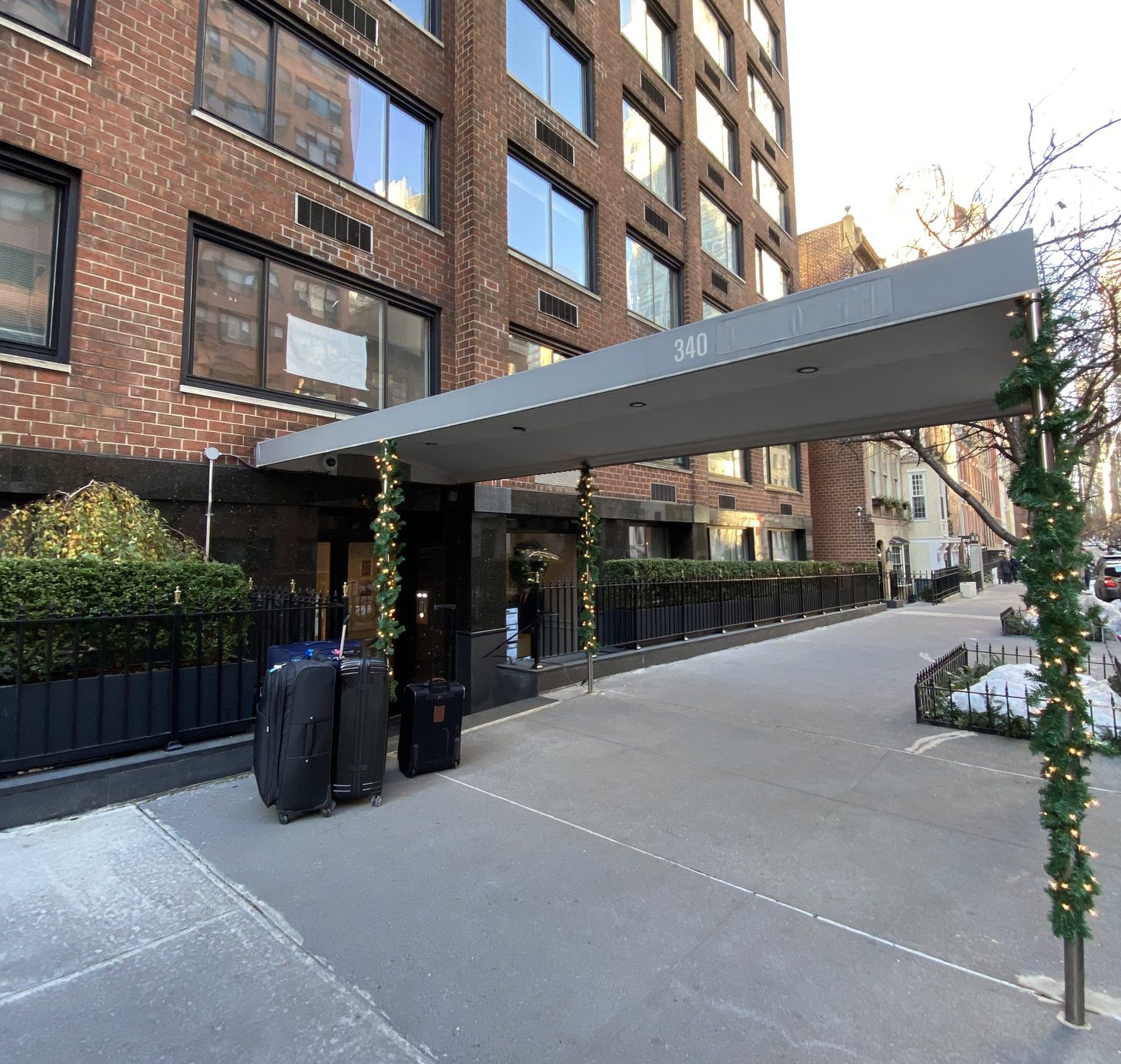
As my plane departed from JFK, I looked out the window with my mask on, and clouds in my eyes. But I didn't say goodbye. I said: New York, I will be back.
I’m writing this from New York. I made it back on October 3rd, 2022. But the journey between that December departure and now taught me something I couldn’t have learned any other way: the difference between wanting something and truly being willing to work for it. Dreams aren’t just about passion, they’re about persistence, about getting back up when life knocks you down in ways you never saw coming.
Back then, I didn't really know what pain or depression were yet. I still had my dad, whom I took for granted in my melodrama. I had to go through the hardest kind of grief. It taught me that we need to be grateful for what we have in life while we have it, something I still struggle with sometimes. Not with gratitude necessarily, but with seeing the glass half full. I don’t have all the answers yet, trust me - just yesterday I was having this conversation with my husband about how I need to be more positive. But maybe that’s the point. Maybe the journey isn’t about arriving at some perfect state of optimism but about keeping going even when you can’t see the bright side, even when the glass looks frustratingly half empty, or upside down, as Carlos says I see it.
That seven-year-old who declared we should “just move to New York” wasn’t naive. She was determined. Sometimes the most impossible dreams require the longest journeys, and sometimes losing what you love most is the only way to discover how much you’re willing to sacrifice to get it back. I learned that home isn’t just a place you're from, it’s the place you choose. And that the dreams worth having are the ones that survive heartbreak, bureaucracy, pandemics, and the craziest plot twists life can throw at you. The real journey was never just about getting to New York; it was about becoming someone who could build a life here, someone who understood that the city doesn’t owe you anything, but if you’re willing to fight for it, it might just let you stay.