What Dorothea Lange’s Migrant Mother Reveals About Today’s Immigration Climate
2026-05-26 · 3 min read
In 1936, Dorothea Lange turned her car around after she had already finished her assignment for the Farm Security Administration documenting the lives of displaced agricultural workers across California. Something pulled her back toward a pea-pickers camp in Nipomo, and toward a woman sitting…
In 1936, Dorothea Lange turned her car around after she had already finished her assignment for the Farm Security Administration documenting the lives of displaced agricultural workers across California. Something pulled her back toward a pea-pickers camp in Nipomo, and toward a woman sitting beneath a lean-to shelter with her children pressed against her.
The photograph she took that afternoon, Migrant Mother, became one of the most recognized images in American history. But what it actually captured is a more complicated story. One that feels, in the current moment, uncomfortably familiar.
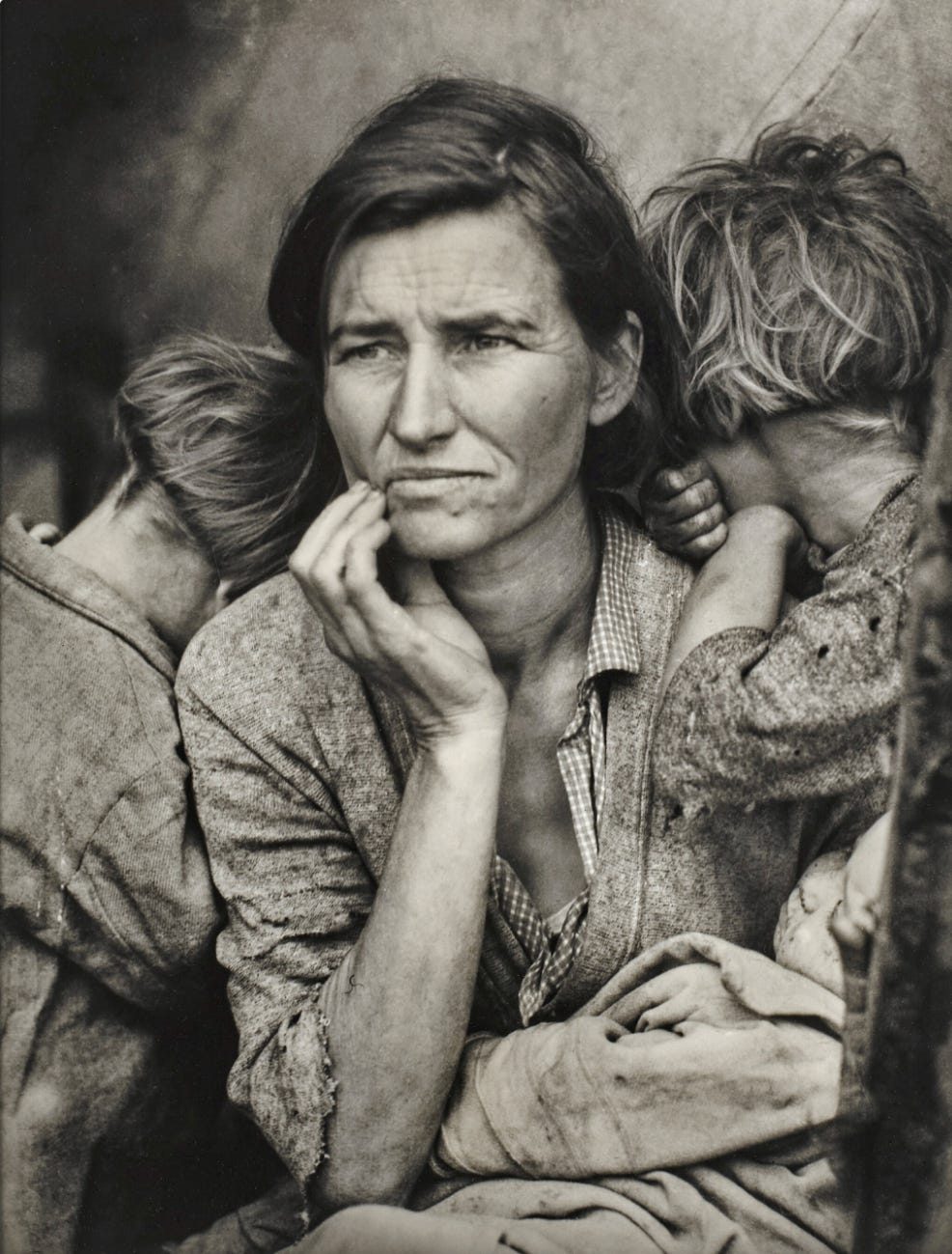
Florence Owens Thompson was 32 years old when Lange photographed her. She was a Cherokee woman, a widow, a mother of seven, and a migrant worker who had been following the harvest across the American West for years. She was navigating a brutal system with everything she had.
Lange did not record her name. For decades, Thompson circulated through newspapers, textbooks, and government reports as the archetype of the Migrant Mother. She became a stand-in for an era’s suffering.
When Thompson was finally identified, she was candid about her ambivalence. The photograph had done something. Food was sent to the camp after its publication, a rare case of an image directly moving policy.
Lange called the camera an “instrument of democracy.” She believed that seeing could be a form of ethical engagement, that images could close the distance between suffering and response. Migrant Mother seemed to prove her right. The photograph also reveals the limits of that belief. Empathy, when it is organized by someone else’s framing, can become a kind of consumption. We are guided toward a particular reading of Thompson through maternal endurance, dignity, the moral weight of care under pressure, and that reading, however powerful, is constructed. It leaves little room for Thompson’s own account of her life, her anger, her agency.
Nearly ninety years after Lange turned her car around in Nipomo, last Friday USCIS issued a policy memorandum that reshapes the landscape for hundreds of thousands of people living and working legally inside this country.
The new USCIS guidance reframes adjustment of status (the process by which people already legally in the U.S. apply for permanent residence) as an “extraordinary discretionary benefit” rather than the reliable legal pathway it has long been understood to be. In practical terms, this means H-1B workers, F-1 students, and family-based applicants who have built lives here while following every rule could now face heightened scrutiny, expanded requests for evidence, and a policy climate that actively steers them toward consular processing abroad.The memo does not eliminate any legal right outright, but It shifts the weight of interpretation, making the same application that once had a reasonable chance of approval a much riskier proposition.
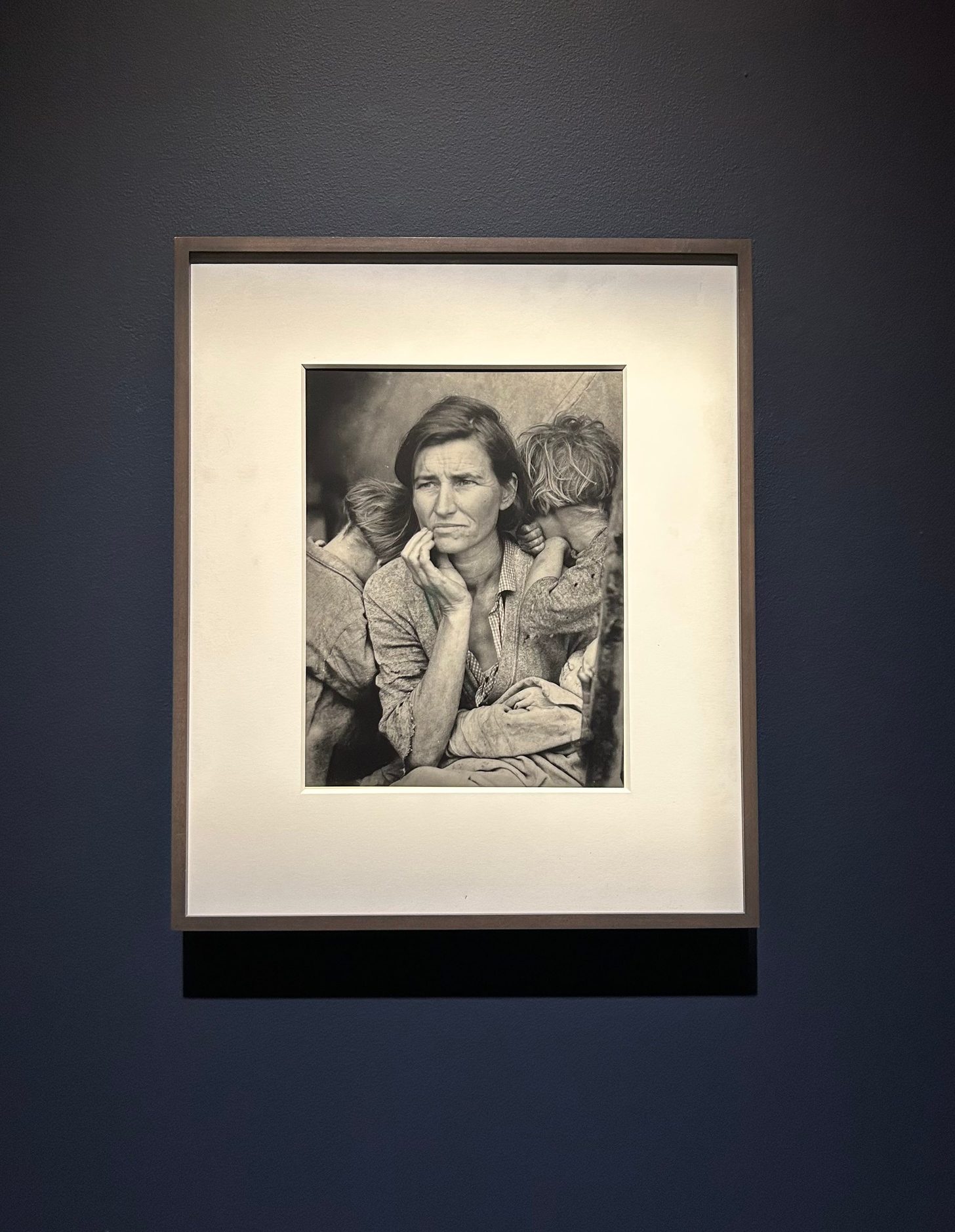
Last week, I stood in front of this photograph at Sotheby’s, where a print of it was on view before auction. I kept thinking about Florence Owens Thompson’s face, and then about all the faces behind it, the ones who never made it into any frame. When I read the news on Friday, my mind went back to Migrant Mother. I thought about the people this memo will touch, not as a population or a policy category, but as individuals. The engineer who has been here for eleven years, the graduate student finishing her dissertation, the family that has been waiting, doing everything right, and now must calculate a new kind of risk. Their lives don’t fit in a single image, but they are just as real as the woman in that photograph.
Until next week!