Ifigenia and the Price of Freedom: Teresa de la Parra’s Warning for Authoritarian Venezuela
2026-01-20 · 4 min read
My dearest incurable humanist, When I first read Teresa de la Parra ’s Ifigenia: Diario de una señorita que escribió porque se fastidiaba , as a teenager, I was certain I understood María Eugenia Alonso completely. Her suffocation in Caracas society’s expectations mirrored my own frustrations, even…
My dearest incurable humanist,
When I first read Teresa de la Parra’s Ifigenia: Diario de una señorita que escribió porque se fastidiaba, as a teenager, I was certain I understood María Eugenia Alonso completely. Her suffocation in Caracas society’s expectations mirrored my own frustrations, even though nearly a century separated my reading in 2010 from the novel’s 1920s setting. But I was wrong about understanding it fully.
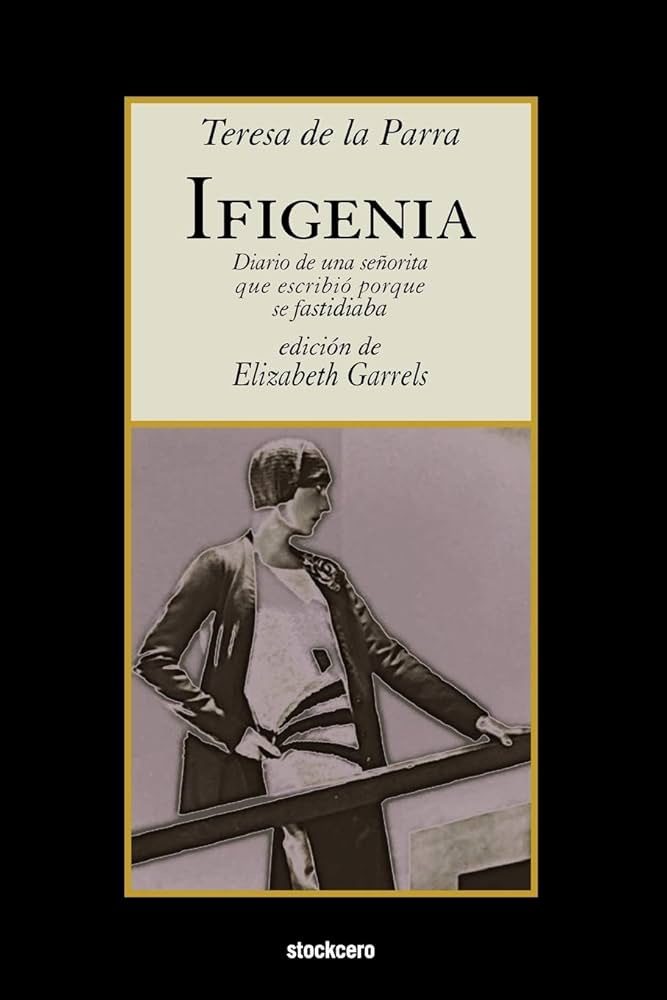
Published in 1924 during Juan Vicente Gómez’s dictatorship, this novel was written by Teresa de la Parra, a pioneering Venezuelan modernist whose work challenged the rigid social conventions imposed on Latin American women. The story follows María Eugenia, whose father’s death forces her return from Paris to Caracas. In France, she had known intellectual freedom: books, stimulating conversations, evenings at the theatre, a life brimming with possibility. In Venezuela, she finds herself suffocating within a society built on feminine obedience and enforced silence. Her inheritance stolen, she becomes financially dependent on relatives who view her European education not as an asset but as a dangerous defect. Her grandmother and aunt assume total control of her existence: she must mourn her father for two full years, forbidden even the solace of playing piano, compelled to abandon her French ideals and transform herself into a “proper young lady” through knitting and cooking.
The subjugation at home reflected a political one. Gómez ruled Venezuela through repression, censorship, and fear. Dissent was crushed, intellectuals were silenced, tortured, or exiled, and corruption thrived under the protection of power. The decorum enforced in María Eugenia’s house mirrored the broader demand for obedience under authoritarian rule. Her uncle’s theft of her inheritance went unpunished because impunity is structural. Ifigenia could not be safely published in Venezuela so it was published in Paris. De la Parra was in exile, joining a long line of Venezuelan writers. Her novel exposed how authoritarianism extends into domestic life, gender roles, and the interior world of women.
A century later, the novel still feels timely. Under the Nicolás Maduro regime, millions of Venezuelans have been forced into exile by repression, economic collapse, and a humanitarian crisis. The dilemma María Eugenia faced, submission or escape, has become collective. For some, leaving preserves freedom while producing permanent loss. For others, staying requires a gradual shrinking of the self.
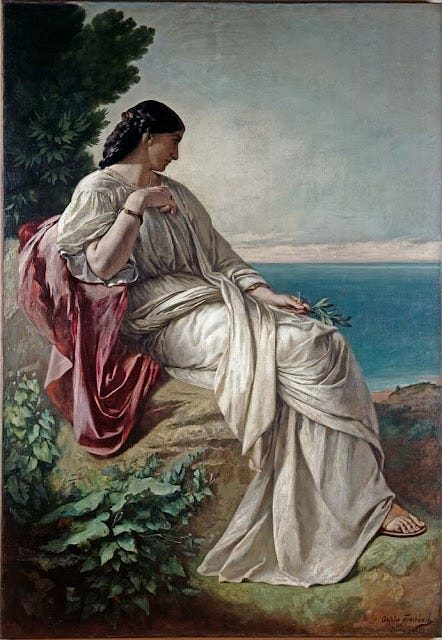
María Eugenia’s final chance to escape arrived through Gabriel Olmedo, a cultured doctor and lawyer who treated her as an equal. He proposed that they flee together to New York first, then France. She packed her suitcases and waited through the night. At dawn, her aunt discovered her and ordered her back. María Eugenia obeyed; ultimately agreeing to marry César Leal, a government functionary whose status depends on accommodation with the regime. The system had destroyed the conditions under which ethical choice could exist. María Eugenia’s submission emerged from fear, dependency, and the weight of social consequence. And so, just like the Greek tragedy of Iphigenia, María Eugenia is offered to appease the ‘gods’ of social order and political conformity. Her diary, once vibrant, thins into silence. We witness the extinguishing of a voice.
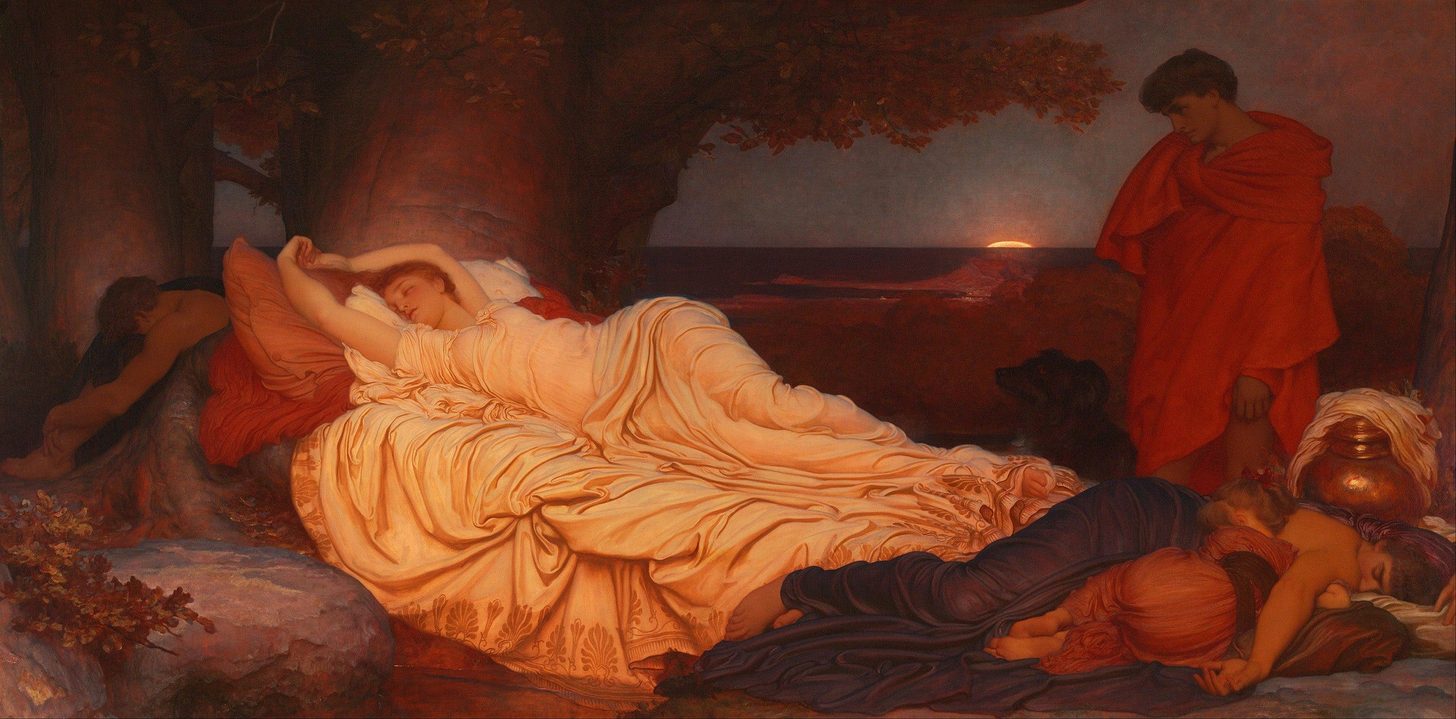
María Eugenia’s marriage could be an example of choices faced by many Venezuelans today, especially women, who form relationships shaped by necessity. In a collapsed state, proximity to regime-connected wealth can mean access to medicine, food, safety. Survival reshapes ethics. Over time, people learn to censor themselves, to shrink, to accept arrangements that once felt unthinkable.
Venezuela has in a way lived this ‘transition’ we’re living with Delcy Rodriguez before. When Gómez died in 1935, the transition under Eleazar López Contreras preserved many of the dictatorship’s authoritarian structures rather than dismantling them. Yet, a generation later, short-term memory had erased the lessons of that era, creating the conditions for Marcos Pérez Jiménez’s military dictatorship in the 1950s; proving that incomplete transitions and forgotten history pave the way for tyranny’s return. Decades after that, the pattern repeated with Chávez's rise.
The lesson is stark. Freedom does not survive transitions that leave structures intact and memory unexamined. Rebuilding requires more than replacing a ruler. It requires confronting corruption, inequality, and the normalization of repression that make authoritarianism possible. Those who stayed navigated impossible choices, and while some resisted, others made compromises that enabled the regime’s survival. Those in the diaspora carry the responsibility to return without self-righteousness, aware that moral clarity is easier to maintain from a distance. Memory must be preserved not to assign blame, but to understand how systems of complicity function; and to prevent their repetition.
Ifigenia records the cost of authoritarianism at the level of the self, the slow erasure of identity under repression. A century later, María Eugenia’s forced transformation shows the experience of those who’ve had to abandon their aspirations to survive, whether by staying or leaving. Freedom requires more than the fall of a tyrant; it demands a society where dignity doesn’t require self-betrayal.
Until next week.