It's The Most Wonderful Time of The Year. Or Is It?
2025-12-09 · 3 min read
My dearest incurable humanist, The holidays are traditionally a joyful season filled with gatherings, food, presents, and music. Yet grief can easily cloud it all. This season becomes yet another reminder that things will never be the same again because the person you loved is no longer with you.…
My dearest incurable humanist,
The holidays are traditionally a joyful season filled with gatherings, food, presents, and music. Yet grief can easily cloud it all. This season becomes yet another reminder that things will never be the same again because the person you loved is no longer with you. It’s overwhelming because there are events and plans you’re expected to attend, things you might have happily done before, but simply don’t want to anymore. And here’s what makes it harder: if you’ve been grieving for a few months or years, people might forget that the wound is still there. In their minds, this person passed a long time ago (if it even crosses anyone’s mind but yours). That’s the thing, even if years pass, you may not want to continue a certain tradition. And that is okay.
Growing up, my parents hosted an Advent celebration every Sunday leading up to Christmas. We invited family and friends to our home, where we would light one candle each week in the pine wreath, pray, sing Venezuelan Christmas carols (called “aguinaldos”), and then enjoy food and drinks together. As a kid, this was the most exciting tradition because it brought us closer to the big day. It felt so special and full of life. For those unfamiliar, Advent begins on the fourth Sunday before Christmas. The term derives from the Latin adventus, meaning “coming” or “arrival.” It’s four weeks to prepare for Christmas, for Jesus’s arrival. It’s a time to reflect deeply on peace, hope, and understanding. A time to remember that God came to earth to share our fears and doubts, so we’re not alone. Even if you’re not Catholic, even if you don’t believe in God, you can still take this time for reflection and introspection. As I grow older, there are things from Catholicism that I find myself returning to.
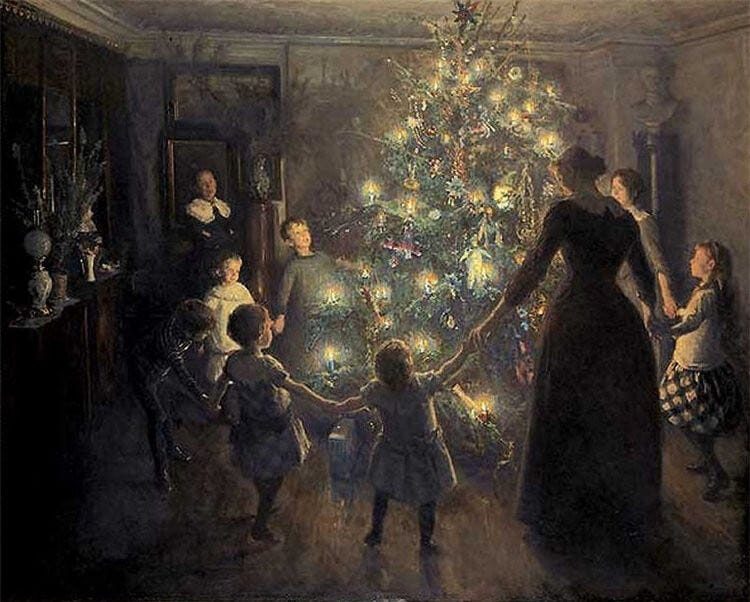
This tradition was a family tradition with both of my parents. Without my dad and away from home, it doesn’t make sense to me anymore. I just don’t feel like gathering and singing when he is gone. Last year, an extended family member asked my mom and me whether we wanted to do the celebration on Zoom. We politely declined, explaining that it was too painful for both of us. Later in December, this same family member invited me to a dinner party at a friend’s house. Only when I arrived, it was an ambush; they had set up an Advent celebration. I was forced into it. I didn’t make a scene, but I didn’t sing, or speak, or really participate, and I am clearly not returning ever again. All of this to say, it is completely normal if you don’t feel like doing something. If someone you know is grieving, take it into account and do not push. Do not force them to do things. You might mean well, but you will end up causing more pain rather than fixing anything. Meet them where they are.
I’ve prepared a little guide for holiday grief:
Be kind to yourself.
Set healthy boundaries and say no without guilt.
Honor all feelings without labeling any of them as wrong. Letting your emotions exist is far more healing than sweeping them under the rug.
Let yourself reshape old traditions or make new ones that meet you where your grief lives.
So no, it might not be the most wonderful time of the year, as memories come back, and everything feels intensified. It certainly isn’t for me. But it can still be a time for something meaningful. A time to honor what was lost, to reflect, to wait, to hope, even if that hope looks different than it once did. Ultimately, it’s a time for love and to also be grateful for what we do have today and for the loved ones who are here.
Until next week!