The (Gene) Martini
2025-04-28 · 5 min read
My grandmother turns 83 today. I call her Tita. When I was born, she would say, “ Call me Mama Marthita .” Of course, being a baby, I couldn’t manage such a long name, so I shortened it to Tita. She lives in Mexico City, but she is a New Yorker. She grew up on the Upper East Side when martinis…
My grandmother turns 83 today. I call her Tita. When I was born, she would say, “Call me Mama Marthita.” Of course, being a baby, I couldn’t manage such a long name, so I shortened it to Tita. She lives in Mexico City, but she is a New Yorker. She grew up on the Upper East Side when martinis weren’t social media trends. From the moment I could listen, she filled my head with stories of the city— and her adventures.
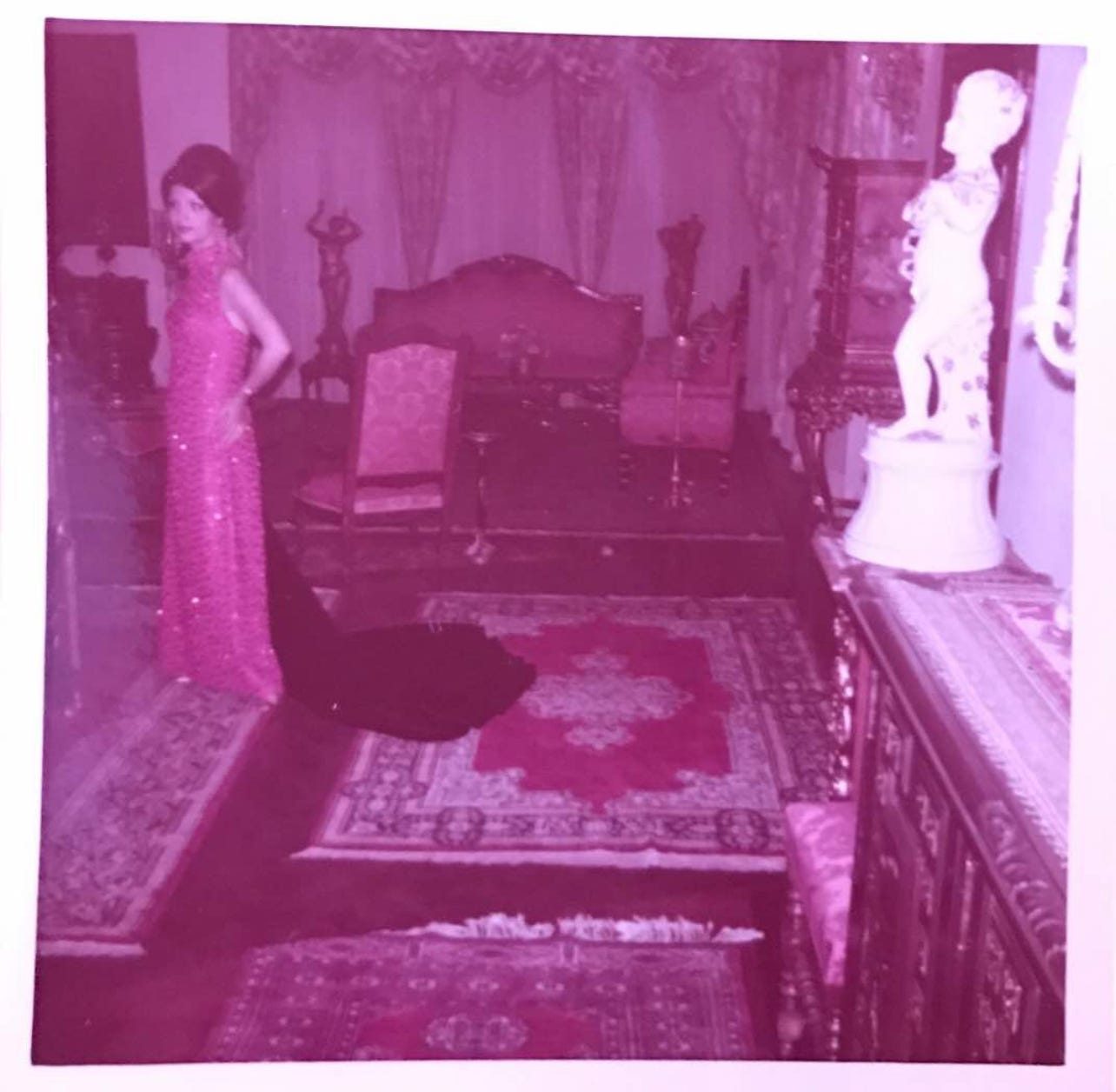
Her drink of choice has always been a martini—gin and olives, always gin. That was the way her father, my great-grandfather, taught her. He was El Salvador’s first ambassador to the United Nations, and it was in those diplomatic circles that she learned how to order confidently and carry herself with old-world poise. I once asked her – “why not vodka?”; “Because” she replied, “a martini is with gin. Otherwise, it’s not a real martini.” My taste for gin martinis runs deep, passed down like a gene. The “gene” martini. See what I did there? (Pun intended.) Anyway, when she was young, her friends and family, who’d always seen her order a martini, began calling her “Marthita Martini.”
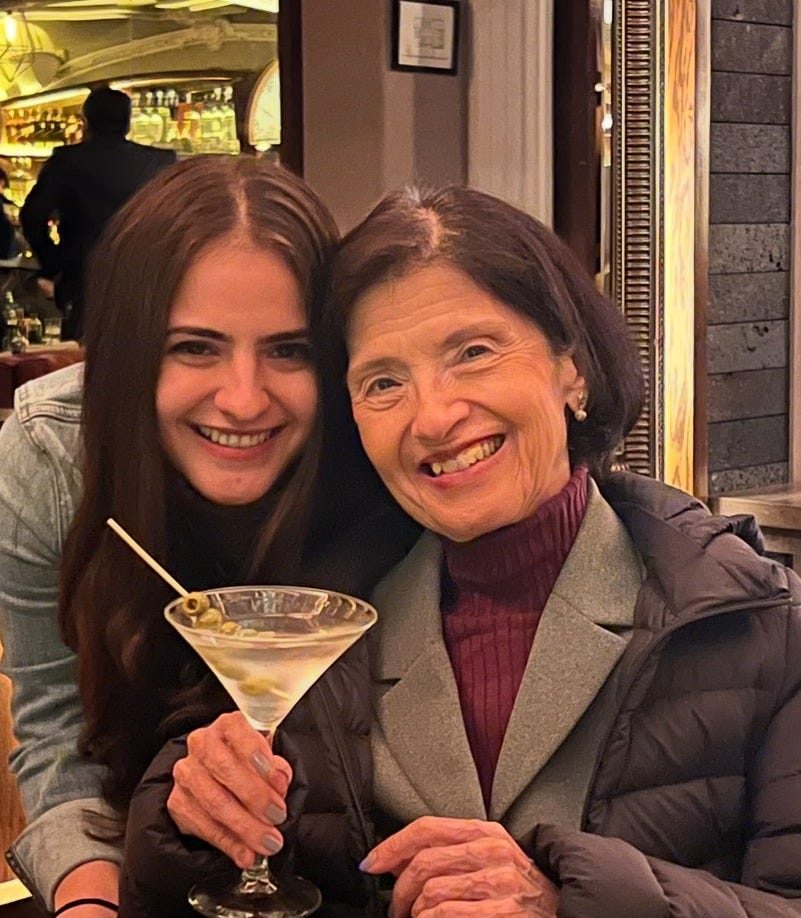
As I think back to my childhood, I realize how much she shaped my understanding of the world. When I was very little, we watched Sesame Street together. She used Big Bird to teach me pronouns—over, under, and through! —long before grammar class ever entered the picture.
We spent every Saturday together when I was little. At five o’clock sharp, we’d have tea with the best cookies. She curated our games with the precision of a scholar, collecting obscure books and toys from her travels. Once, after a trip to Paris, she brought home a book filled with imaginative games that needed no props. Our favorite was The Sculpture. One of us would pose like a statue—usually my brother—and the other two would play buyer and seller, trying to make the sculpture laugh. If you laughed, you lost. I almost always did. Years later, I’d find myself in the art world professionally—and I sometimes think The Sculpture was the origin story.
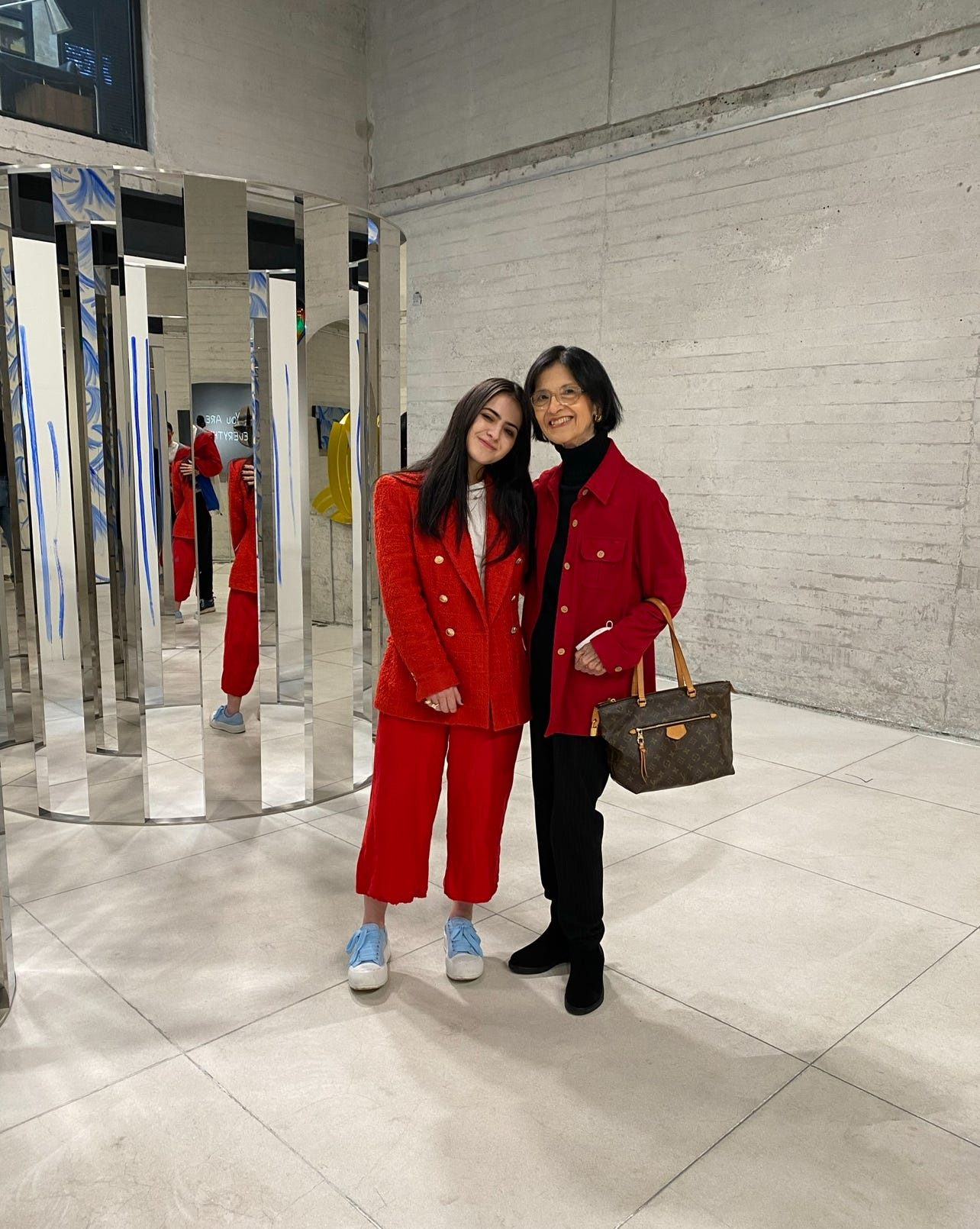
Her house felt like a museum to me—carefully curated, full of paintings and things you weren’t supposed to touch. We’d sit for hours in front of the art she and my grandfather had collected, making up stories about the people inside. Nothing on the walls ever felt frozen. The women in the portraits had best friends, favorite colors, and secret dreams. The landscapes became places we might visit if we looked hard enough. We gave everyone names, families, and dramas. I think that’s when I first understood that a painting isn’t just something you look at. It’s something you feel.
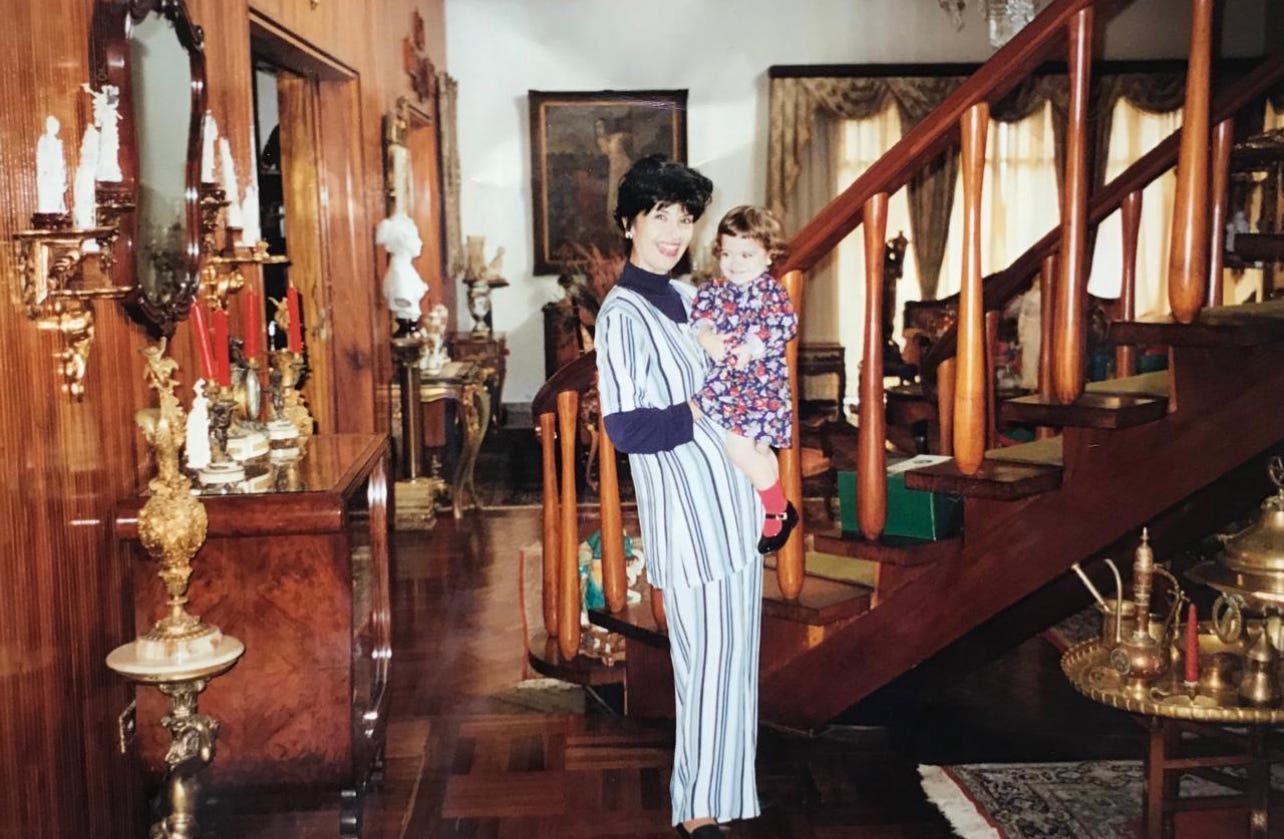
As much as she shaped my artistic eye, she also nurtured my curiosity about history. She’s the reason I know about the Russian Revolution. She read me Nicholas and Alexandra by Robert K. Massie. I was obsessed with Anastasia—not just the animated version (though I watched it religiously), but the real, haunting myth of the lost Grand Duchess. In the movie, it’s Anastasia’s grandmother who gives her the iconic music box, a gesture that stuck with me. So, when Tita went to Russia, I begged her to find that music box. She didn’t manage to find it, but she came back with something better: a hand-painted lacquer box and a Matryoshka doll.
She also introduced me to the world of classic cinema. Audrey Hepburn became a familiar face. We watched My Fair Lady so many times we wore out the VHS. I’d rewind obsessively to the Ascot scene, just to marvel at the hats. Later came Breakfast at Tiffany’s and Funny Face, and with them a deeper understanding of grace, performance, and the art of good posture.
We read everything together— Tolstoy, Dickens, Austen, Agatha Christie. She read aloud and then handed it over to me, gently correcting my pronunciation in English and French. She opened the door to literature as pleasure, and not just schoolwork. She passed down her love for Rebecca—both the novel by Daphne du Maurier and Hitchcock’s eerie adaptation. We also watched the Netflix remake, once. Neither of us liked it.
Along with books and movies, Tita has also shared her beauty secrets with me, including how to protect myself from the sun at the beach (sunscreen is essential, but so is a little makeup and the idea of not applying anything is nonsense). You just need to choose a foundation with built-in protection. Another must in her daily skin care is Clinique’s Dramatically Different Moisturizing Lotion and that perfect Chanel lipstick (434 Mademoiselle). I use both every day. She’s always carried herself with effortless elegance. And then there’s her style. Iconic doesn’t begin to cover it. Many of my most beloved pieces once lived in her closet—dresses, mink coats, heirloom rings, necklaces.
Of course, none of these lessons would be complete without our trips to New York. I can still feel the thrill of walking beside her on the Upper East Side, going to museums. We’d stop at the beauty counters in department stores, where I would stand beside her as they handed her samples, and she would always pass them along to me with a smile. And how could we leave out Alice’s Teacup? sipping tea and eating scones —perfect moments in a perfect city.
She’s also my partner in crime. She’s told me things she never told my mother—like the time she gave me her diary from when she was seventeen. Which I treasure to this day.
Tita is incisive, curious, and sharp. Before she got married, she worked at the World Bank— quiet proof of the intellect and ambition she always possessed. I wouldn’t be who I am without her. From my love of New York to my incurable humanism, to the way I move through bookstores and galleries and cities.
Today, I raise a martini to her—gin, two olives, cold and classic.
Happy 83rd, Tita. - From the martinis to the wisdom, every moment with you has been a gift. And as I look at the world today—through the lens of art, history, and those simple joys you taught me—I can only hope to pass it all forward someday to my future granddaughter, just as you’ve done.